Do a big long overthink discussing the recent surge of creativity in African science fiction, Africanfuturism and Afrodystopia, what it means for Black folks in speculative fiction(as though I know), and how it connects to similar movements in indigenous fiction but contrasts with almost everything in similar genres coming out of Southeast Asia.
Keep bringing you the best in weekly diverse book news in handy-dandy wrap up format
Up the number of posts per week from around 3 to 4 or 5.
Things I did not intend to do over the last four and a half weeks:
Post absolutely nothing on this blog.
Things that happened over the last four and a half weeks to reverse my intention polarities:
Bills. Real bills.
Also job. Real job. Sabbatical is over. *cries*
Lastly, sick. Real sick. Not the ‘Rona, so nobody panic. But it’s hard to write reviews when you barely feel good enough to read. It’s a long, uninteresting story but suffice it to say, I had to narrow my focus and do a little less for a bit due to lack of energy. I’m better now, though. No worries.
So basically, sorry, y’all. I didn’t mean to disappear, Regular posting will resume tomorrow. Also, if you’re not already, follow me on Facebook, where I post constantly no matter what’s going on because the “share” button is a thing and procrastination scrolling is a more infectious virus than the one with many names currently stalking the world.
Peace!
(Thanks for the read, beautiful people–even though this blog wasn’t saying much of anything. This blog has affiliate relationships with sites such as Bookshop and any clicks and purchases made will result in a commission being earned. By the way, I really appreciate those of you who have clicked and purchased–thank you. 🙂 )
Let’s start with the biggest news and work our way across:
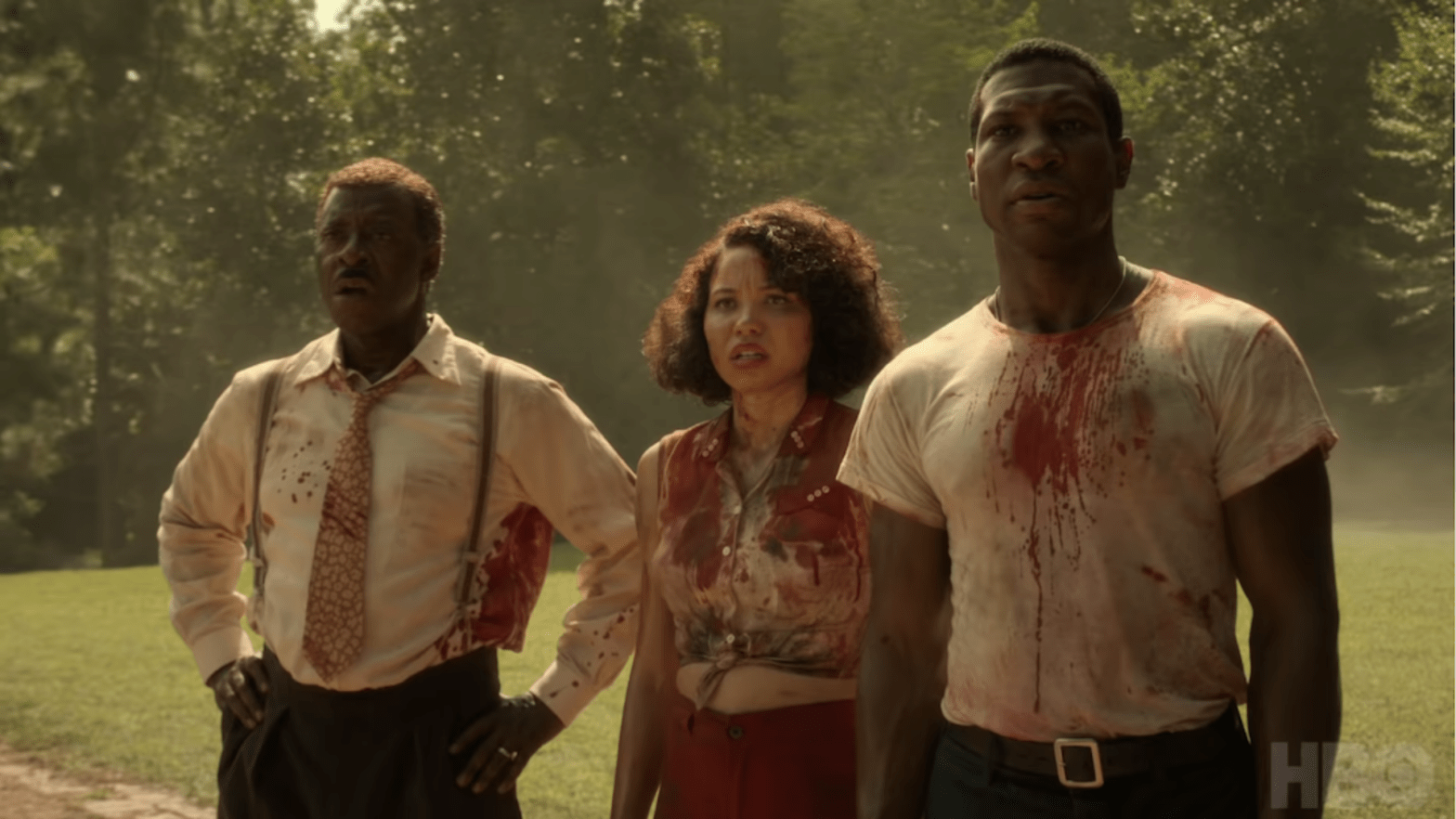
HBO’s Lovecraft Country, based on the book by Matt Ruff, premiered last week to rave reviews. Classic horror fiction fans are pinning a lot of hopes on its potential to both highlight Lovecraft’s creations and redeem his racist legacy. Also, in case you missed it, the first episode is available to stream for free on YouTube. [via Wear Your Voice, YouTube]
600 books are scheduled to published on September 3rd, in a rush move meant to compensate for COVID-19 pushbacks. This is clearly not a good idea for anybody but the big name authors. Somebody’s going to get lost in the shuffle, and it ain’t Lovecraft. [via The Guardian]
Ocean Vuong, virtuoso author of On Earth We’re Briefly Gorgeous, has finished a new manuscript. It won’t be released until the year 2114. I’m simultaneously overjoyed for future readers and pouting on behalf of those of us who’ve been waiting on his next book. [via The Guardian]
There’s surprisingly little coverage of this, but several bookstores, publishers and literary associations are putting pressure on Congress asking for something to be done about Amazon’s near-monopoly and unethical practices in the industry. I’m already not a big supporter of Amazon, but the fact that this isn’t MUCH bigger news surprises me. [Via LitHub]
The last item for this roundup is perhaps the one that has had the most profound effect on my thoughts over the past week. The Washington Post highlighted several indigenous authors of apocalyptic and speculative fiction , leading to the startlingly obvious revelation that indigenous people have already lived through an apocalypse (in the form of colonization) and therefore have unique insights. I’m not really doing it much justice here, but the whole piece is worth reading and I’ve been thinking about it nonstop. [via The Washington Post]
One of the questions I’m often asked in my Facebook page inbox is “why do you always share Bookshop links, and not Amazon?” I figure now is as good a time as any to answer that question. Let me start by saying I’m not on the self-righteous cancel train at ALL when it comes to Amazon or any other big corporation. I’m not so woke that I can’t see nuance. Amazon is convenient, accessible, and they’ve done some great things in the world of technology. I own an Amazon Kindle. The company also has a great platform for self-publishing and audiobooks–I’ve used it and so have other authors who I really respect. There are good things about the company and I’m not going to pretend they’re entirely evil, because that is simply too pat and ignores how helpful a company like Amazon can be in circumstances like our current ones. I also don’t like how people try to shame people who use companies like Amazon, ignoring that people have the right to stretch their dollars the best way they see fit. There’s no such thing as a perfect person or corporation.
However, I think we’re all trying to be more conscious of what we support when we spend our hard-earned cash these days. For that reason, I don’t purchase physical, deliverable products from Amazon anymore–including paper books. There is documented evidence that Amazon has poor labor practices and mistreats and neglects warehouse and delivery workers. They’ve been criticized for their poor safety precautions for warehouse employees during the current pandemic, and their lax response to the criticism. While the company claims to donate heavily to charity, they aren’t very transparent about it. Also, speaking of transparency, Amazon’s effective tax payments are nil, which is unacceptable for a trillion-dollar global corporation. That may not be entirely the company’s fault, but when they’re receiving multi-billion tax rebates and I’m receiving none–they certainly don’t need my money!
So who does need my money, and yours? Indie bookstores and publishers, for a start. In the face of the pandemic, many of our beloved small and independent local bookstores are really struggling, and some have been forced to close. A shop that depends on community building and face-to-face connections simply can’t thrive in a time when people can’t go out much and have to avoid being too close to other people. Smaller bookstores also lack the resources to deliver books on an affordable mass scale in the way that a megacorp like Amazon can.
That’s where Bookshop comes in. In their own words,
“Bookshop is an online bookstore with a mission to financially support local, independent bookstores. We believe that bookstores are essential to a healthy culture. They’re where authors can connect with readers, where we discover new writers, where children get hooked on the thrill of reading that can last a lifetime. They’re also anchors for our downtowns and communities. As more and more people buy their books online, we wanted to create an easy, convenient way for you to get your books and support bookstores at the same time.”
The site has developed a great affiliate program that gives book advocates, publishers and bookshops an easy-to-use selling portal and pays a commission for each book sold. I’m an affiliate, and I’ve provided a link to my little shop below(I use to support the costs of this lil blog). But if you have a favorite indie bookstore, search for them on the site and any purchases you make will directly benefit them instead. The point of this post is to raise awareness of a platform for book-buying that is more community-oriented and ethical than Amazon, and I hope you check them out, even if it’s not through my link.
A few caveats–Bookshop, for all its wonders, is still in beta, and there are still a few site-wide seams and wrinkles being ironed out. This is especially apparent with books on backorder–I’ve ordered two books that had this status and because of the time it was taking to fulfill the orders, the site’s automated system automatically cancelled them. My money was refunded promptly and there were no real logistic problems. However, one bookworm to another–refunds are nice, but I wanted my books!
I’ve also had people express concern about the price of Bookshop’s stock being more expensive than Amazon. The first thing to remember is that part of what guarantees the low prices of a megacorp like Amazon is dodging corporate taxes and exploiting their workers in addition to buying and distributing in massive bulk. Bookshop sells books on behalf of indie booksellers who don’t have the ability to do these things, so sometimes their prices are higher(especially on popular titles and hardbacks). For small press and indie press books they’re very competitive, I find. As the site grows and begins to ship internationally, hopefully their prices will get better across the board. I understand book budgets though (since I’m always over mine), which brings me to my second point. Bookshop isn’t always more expensive. Recently I wanted to buy the e-book of the necromancer fantasy adventure Gideon the Ninth. I checked prices on Amazon and Bookshop and on the latter–the book is a whole dollar cheaper! I’d encourage you to use Bookshop when they have a competitive price like this, and keep checking in as their site grows.
I think I may have been predisposed to dislike this, simply because it comes on the heels of the popularity of the television adaptation of its predecessor, The Handmaid’s Tale. I enjoyed the book, but I find the later seasons of the show deeply irritating–they may as well re-title it “American Horror Story: White Feminism” and call it a day. The Testaments is the unnecessary sequel to the novel the hit show about a fundamentalist woman-hating American dystopia is based on, and as I read it, two thoughts repeatedly came to mind..namely “Who asked for this?” and “What is this even for?” 🤷🏾♀️
Here’s the thing: The Handmaid’s Tale was a masterpiece, a haunting, terrifying dystopia intended to warn us not only of the dangers of sexism, fundamentalism, and their policies but also to alert 1980s us to the unjust present reality of women’s lives in many parts of the globe. At the time of its writing, Handmaid was shocking, incisive and challenging. I first read it in my teens and was both horrified and vindicated by the content as I began to understand the difference between what I wanted and what I was expected to want as a young woman with a fundamentalist Christian upbringing. It’s a critical, necessary work and a bit of true genius in the landscape of feminist novels and dystopias.
But time marches on, and so do social sensitivities, concepts of dystopia and understandings of the broader world. While the story of the Testaments picks up several years after the events of the first book, the themes and emotions pick up right where Handmaid left off. As a result, Testaments seems a bit childish and the narrative weirdly episodic—a bit like a YA novelization of the show, written for people too young to read Handmaid yet. It also chooses to spend a lot of time focusing on the character of Aunt Lydia, who is popular in the TV show but isn’t really much of a character in the original novel. I’m not overly interested in the inner thoughts of a powerful woman turned torturer’s assistant, no matter how hard Atwood tries to redeem her. I get the idea behind humanizing the villain, showing how even the strongest person can be broken and used by a hateful system, but because of the simplistic tone of the book, I found it quite hard to care about Aunt Lydia, or any of the other characters, for that matter.
Also, there’s an issue that goes along with this book that no-one seems to be talking about. This book was awarded the 2019 Booker Prize jointly with Bernardine Evaristo’s masterpiece Girl, Woman, Other. Evaristo’s book is much better than Atwood’s, and while I don’t know enough about the world of publishing prizes to say for sure, it seemed like a slap in the face to deny Evaristo her solo moment in the sun. Atwood previously won the prize for her novel The Blind Assassin, so it isn’t as though she was being awarded based on age or multiple nominations with no wins. She’s not a literary Leonardo DiCaprio, she just wrote a book that happened to have a hit TV show attached to it. With this as a backdrop, and having read and raved about the other 2019 Booker winner for its groundbreaking storytelling about Black British women, it’s hard for me to see The Testaments as anything other than overrated and over-hyped. It’s even worse when you consider that Evaristo is the first Black woman ever to win a Booker Prize, yet was forced to share her moment with a pandering sequel. On top of that, the book she shared the prize with, and the show it spawned, are both criticized for unfair and under-realized treatment of Black women. I’d call it irony but it almost feels like an intentional slight. I can only hope that the planned television adaptation of Girl, Woman, Other lampshades the unfairness of this in the script somehow(and is less annoying than the televised Handmaid’s Tale has become, but that’s almost impossible not to be).
Atwood is still a master writer, but the book would be more enjoyable if it wasn’t a follow up to Handmaid’s Tale. As it is, it’s nowhere near as chilling and essential as its predecessor, and the associated prize-sharing drama makes me doubt the sincerity of its woman-empowering claims.
3 out of 5 stars
(Thanks for reading beautiful people! This blog has an affiliate relationship with Bookshop, and any clicks and purchases made from links in this post will result in a commission being paid to this blog. If you DO buy a book, make sure it’s Girl, Woman, Other, and not The Testaments. Check The Testaments out from your local library. So there.)
Woman’s the soul, and man the body of our country With soul and body linked, new life will have returned to our country…
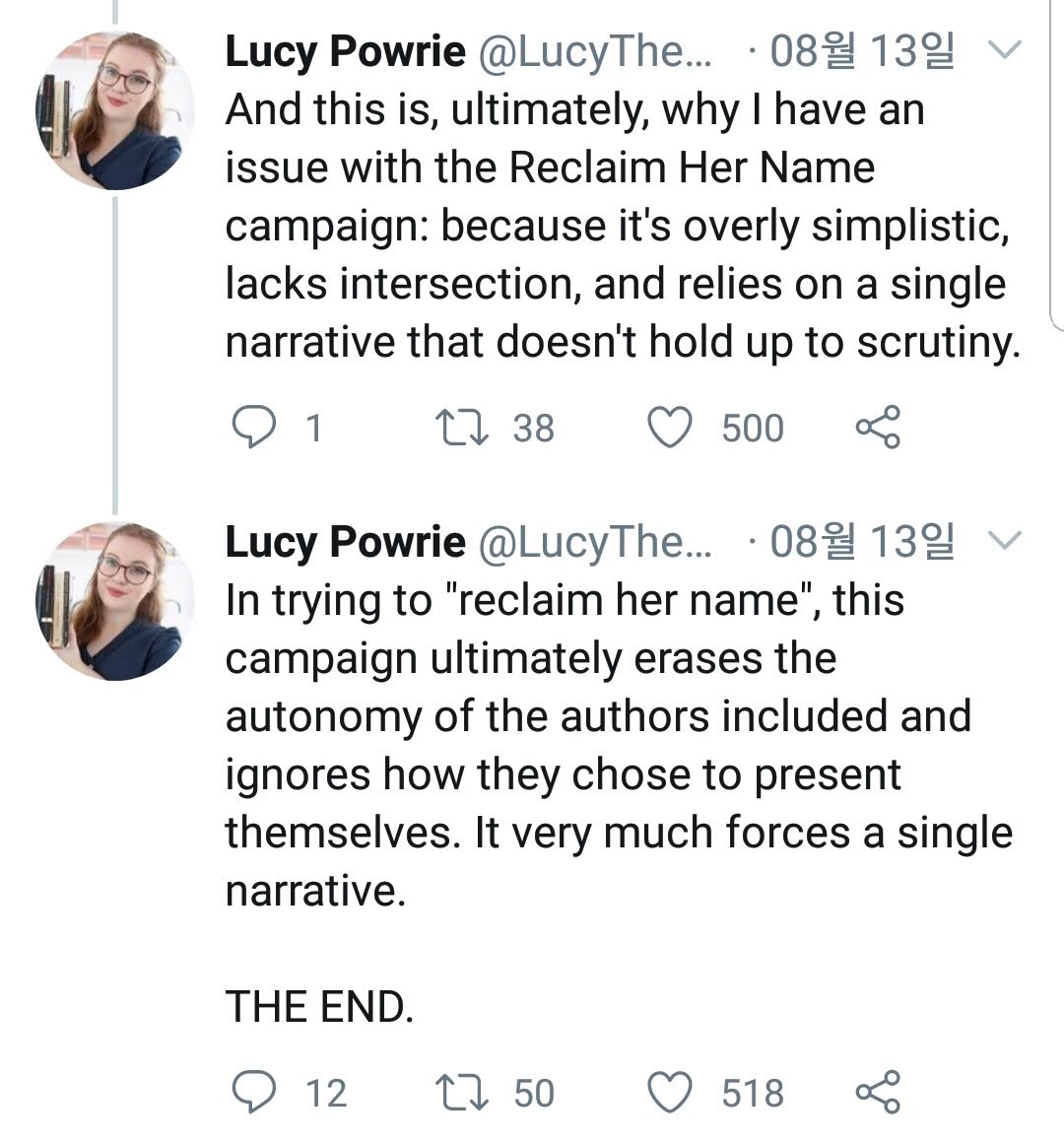
In the landscape of weird that has made up 2020 so far, “Bailey’s is teaming up with The Women’s Prize For Fiction to work for progress in feminist publishing,” is…not really the weirdest thing, is it? The two entities have republished 25 works originally published under male author names (for various reasons, often having to do with sexism) crediting the creator’s original female names. While the collection, called #ReclaimHerName, has already come under fire for sloppiness, ahistoricity and in one alarming case possible deadnaming (supernatural fiction writer Vernon Lee didn’t use female pronouns when alive), it’s an interesting base concept and the titles included are pleasingly diverse.⠀ 🌏⠀ I’d never heard of Shahein/Fatemeh Farahani before downloading this collection, and even though I searched pretty extensively. there’s just isn’t a lot of information available about her in English. The Iranian poet lived from 1864-1919, and for much of that time, there was no formal education allowed for girls, so it’s easy to guess why she wrote under a male name. We don’t know for sure, though. Her entry in this series is a one page patriotic poem that makes much of the role of women in revitalizing a struggling country, mostly as mothers and daughters.⠀ 🤱🏽⠀ While anything I have to say about the historical context or importance of the piece is pure conjecture (I couldn’t even find out when it was written), it’s interesting to see nationalism from the perspective of another country and lifetime away from my own. Seeing that the poem focuses on women even though the poet wrote under a male name also piques my interest. If nothing else, For Our Country makes me want to know more about Iranian history and culture pre-revolution. ⠀ 🤔⠀ I can definitely see why this series is being criticized–the translator of this poem isn’t credited, the original publication date is nowhere to be found and the author bio is far too brief, which makes the poem itself very hard to place or understand fully. I appreciate being introduced to something new, but I have no idea what I just read. Therefore, I don’t have much more of a response to it except, “Hmm. That was nice.”⠀ 📚⠀ 3 stars and extensive annotations to For Our Country.
(This blog contains affiliate links and purchases may earn a commission for this blog. However, reviews are not bought and all thoughts and feelings about books presented are my own, and honest. Thanks for reading, and peace! )
This one’s a quickie, fellow readers. Most of the news this week involves literary women doing big things, and they can all speak for themselves. So click, click, click away!
British writers are pleading with OfQual to keep poetry in the GCSEs.[The Guardian]
The dirty rap song W.A.P. by Megan Thee Stallion and Cardi B was released and OMG everybody shut up about it already. I made a booklist to divert all of our attention. [Equal Opportunity Reader]
Speaking of W.A.P., Luster by Raven Leilani seems to be this year’s hottest release. [Elle]
Chimamanda Ngozie Adichie suffered a fall and a concussion at the beginning of the coronavirus pandemic, and she is not okay. [The Washington Post.]
Silvia Moreno-Garcia’s ghost story Mexican Gothic has been picked up for series development by Hulu. [Tor]
The new book Caste, by Isabel Wilkerson, examines race and class in America in a way that no-one has really examined before, IMO. [Washington Post]
Bailey’s–as in the company that makes creamy liqueurs–has funded a project for The Women’s Prize For Fiction that republishes classic woman writers forced to publish under male names under their real names. It’s called the Reclaim Her Name Project. All of the books in the series so far are available for free online on their website, so grab them while you can. [Baileys]
Thanks for reading as always, beautiful people. Peace!
(Some links may lead to affiliate sites, which will result in a commission being paid to this blog.)
I have to admit–I wasn’t sure what to think about this romance novella at first. The premise seemed like it could easily go very wrong. Trinity, a Black data analyst is home on admistrative leave recovering from PTSD from a mysterious work accident when she falls for Li Wei, a Chinese…robot? Correction–he’s a biosynthetic human, a very sophisticated A.I. posing as the nephew of Trinity’s senior scientist neighbor for reasons known only to himself. ⠀ 👩🏾🔬⠀ There’s nothing really special about the romance aspect of this novel (the leads don’t have much personality), but the sci-fi world building is top-notch and really grabbed my interest. Trinity and Wei live in a technocratic America set roughly 5 minutes in the future from now. A.I. therapists, smart cars, synthetic food production and social credit systems are all a regular part of life in this novel, and it’s fascinatingly done. Cole clearly did her research. I kind of wish this was a longer work and not a romance–I’d love to see a fuller work in a more sci-fi vein about this world.⠀ 🔬⠀ Other than that, there isn’t much else to say about this book. The characters do a lot, but ultimately they’re just cut and paste vehicles for the audiences to project themselves and their desires on to. That’s par for the course for a cute fun beach read and when all is said and done, this is very cute and very light. The story just isn’t very memorable. I didn’t hate it–I’d read another book with this setting. But it wasn’t amazing either, and I wish the author had done more with it. ⠀ 📡⠀ 3 stars and an injection of futuristic nano-personality juice to The A.I. Who Loved Me.
(Thanks for reading, beautiful people. Consider this your regular reminder that this blog contains affiliate links and any clicks/purchases made will result in a commission being paid to this blog. Peace!)
(The following blog post is for grown folks and the generally mature. Words that could be considered sexual and vulgar as well as NSFW links will be included without warning.)
The internet is such a weird place. One minute you’re surfing along, watching Chinese uncles criticize gloopy rice and the next you’re tumbling down a rabbit hole of misogynoir and racism after looking at the comments on the following music video:
I don’t really like this song (mostly because I can’t stand the Frank Ski tune it samples) but I still think the backlash to it is beyond ridiculous. Everyone from right-wing pundits to corner store hoteps are having a field day decrying the overt sexuality displayed in this video. Nobody will shut up about it. The criticisms are a firm example of the paradox that all women find themselves in–too much and too little, all at the same time.
While everyone’s entitled to their personal preferences, the thing that I find most annoying about the W.A.P. discussions is that folks are acting as though Black women having agency over their own sexuality–and displaying that–is something brand new. It’s not, of course. Countless Black women before Cardi B (who I guess is Black this week) and Megan Thee Stallion have expressed their sexual desires, agency, and power in song before–from relatively recent tunes by Salt N Pepa and Trina to classic blues divas like Ruth Brown and Lucille Bogan (whose tune Shave ‘Em Dry is one of the few dirty blues tunes I’ve never been able to listen to all the way through due to its awkward, obscene hilarity). Women of all races express their sexuality, but it seems as though only Black women are treated as though self-possessed, open sexuality–whether or not the viewer appreciates it–is somehow worse than any other woman’s sexual expression. Black women are often presumed sluttish until proven chaste, and even if we manage to survive the harsh morality gauntlet culturally imposed upon us, our sexuality is often dismissed as the property of whatever man legitimizes its expression, rather than a personal source of pleasure and self-expression that we control and appreciate for ourselves.
Fortunately, there’s a long literary tradition of Black women writing about sexuality factually, erotically, exploratorily and all ways in between, dispelling some of the harsh judgments of wider society through sharing the reality of our own experiences. I’ve created a booklist of some of the best writing by Black women about sex, sexuality, and our sexual selves in society.
Let’s go ahead and start with this highly controversial, groundbreaking erotic novel from 2001. I’ll tell you upfront–I personally can’t stand this book. It’s not hot and the sex scenes are…strange. (There’s a memorable scene where movie theater nacho cheese is used as lube that I’m pretty sure caused my lifelong aversion to processed cheese products.) That said, Zane’s erotic thriller about a businesswoman juggling multiple extramarital affairs was revolutionary for its time. Millions of women love it for a reason. It focuses graphically and unrepentantly on a Black woman reclaiming her sexuality as a source of pleasure and power while in a stale, loveless marriage, and for that reason alone it gets a spot on this list. Fair warning though, for those who choose to read it now–it’s a bit dated because of its rather unsophisticated take on sex addiction. Also, I’ve already told you about the nacho cheese scene–the erotic potential of the sexual content here is pretty hit or miss.
Zane’s novel was groundbreaking and entertaining, but it’s notably lax in its discussions of sexual health. (Remember: nacho cheese.) That’s where a book like Pussy Prayers comes in. It’s a sex-ed book for Black women written from a foundation of pleasure and self-care, rather than the more clinical books we might be used to from middle school health class or the hush-hush “don’t be a fast-ass” conversations many of us had with elders growing up. Pussy Prayers takes an approach that is both physical and spiritual. It’s also a great guide to the vital work of both destigmatizing the pussy–it’s a body part, not a portal to hell–and connecting women to their bodies independent of the desires of men or the eyes of society, which is a very necessary part of learning how to claim personal pleasure through sexuality.
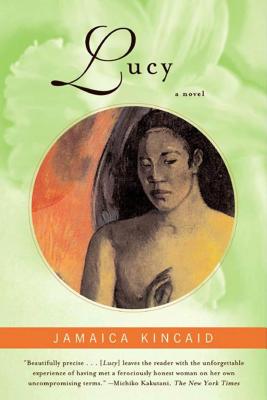
Long before I had ever kissed a boy, I read a passage in Jamaica Kincaid’s Lucy in which the title character sensually contemplates the taste of a man’s tongue while kissing him and I thought–umph. Can’t wait to try that!While this short novel from 1990 is not primarily about sexuality, it’s notable for being a coming-of-age novel about a teenage girl from the Caribbean who immigrates to America and learns how to navigate all sorts of relationships in her new country, including sexual ones with men and women. Discovering sexual preferences and relationship styles is a critical part of growing up, and the open, matter-of-fact way that Lucy approaches the subject in such a distinctively Black cultural environment is literary treasure.
While brainstorming titles for this list, I was at a loss for titles written before 1980 or so. One of the reasons for that is that despite the obvious presence of positive, pleasure-based sexuality in Black women(we’re women, after all), there is still a strong cultural taboo regarding Black women speaking out about sexuality–the same one that has drawn such stern criticism towards W.A.P. This is what 2004’s Longing to Telltries to address, through a series of collected interviews and testimonials from Black women on the subject of sex. Many of the women are painfully aware of how negatively society views any sort of sexual expression in women, and doubly so for Black women–yet they still share their stories, whether pleasurable, painful or taboo. The result is a brave, sensitive book that helps build a foundation in the normalization and inclusion of Black women in all areas of society.
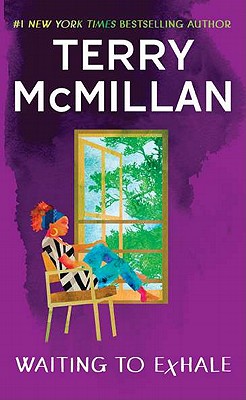
In case you haven’t figured it out, I came of age in the 90’s. As a result, writers like Terry McMillan, Eric Jerome Dickey and Omar Tyree shaped my literary tastes far more than I sometimes like to admit. Even so, Waiting To Exhale really has a special-ness to it. When it was released in 1992 it was everywhere–even my mother, who is not much of a reader, bought a copy and shooed us kids away while she read it. I snuck and read it as soon as I could. At the time, I was struck by the story, and how it centered friendship between Black women. Now, I appreciate how it portrays sex as something natural, normal, and varied. There is just as much good sex as bad sex in Waiting To Exhale. There’s also boring sex, weird sex (remember Russell the werewolf?), rebound sex, and clinical sex, all with or without love, friendship, or even good decision-making skills. Too often books feature physical sexual acts as an exclusive function of romantic love or a shameful, sinful compulsion, ignoring that in the real world, human sexuality is a far more nuanced and complex thing that depends on a wide variety of factors. Waiting To Exhaleis the first thing I remember reading that acknowledged that fact with humor, grace, and good storytelling. It’s also about four fierce, admirable Black women, so it gets a spot on this list.
Speaking of variety, I debated a bit before adding this 2016 scholarly text to this list. While the title promises a discussion of Black women and kink, it’s more about the societal links forged between violence and perceptions of Black women’s sexuality. It’s quite a heavy read with little pleasure included at first. While I prefer to focus on reading about Black women positively and openly expressing their own sexualities and encourage you to do the same, the harsh views of society concerning Black women as hypersexualized or asexualized are very real. This book looks at them in a very different way than usually discussed, using taboo ideas to ultimately highlight the power inherent in Black women exploring kink as a way to contemplate the complexity and disconnect of our sexuality in perception and practice. Also, for all its kink talk and exploration into some pretty unusual places–there is no nacho cheese in this book. So it gets a spot on the list.
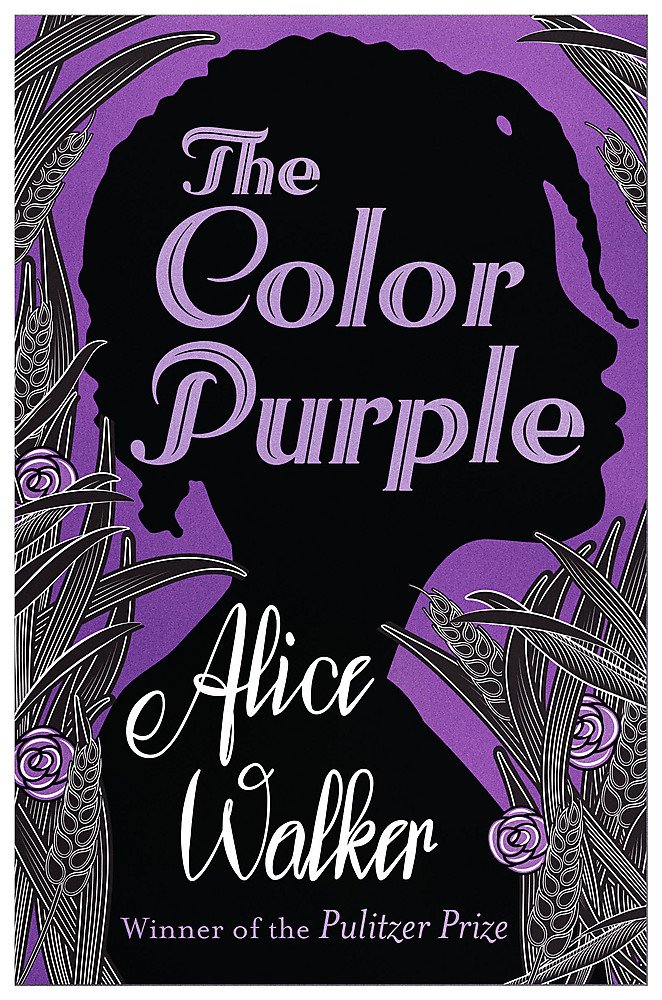
The last book on this list is also the only one with a queer female couple at its center, even though they both spend most of the book socially entangled with the same man. Nearly 40 years after publication The Color Purple is still a tricky, complex read with deeply nuanced characters and a multi-layered story. It’s an undefinable experience of a book, and fittingly, the main character Celie is not particularly definable by sexuality or gender when you really think about it. Her past contains unspeakable abuse at the hands of a male pedophile; her future, a long, loving relationship with the woman who has an affair with her husband. Somewhere in between she’s also married to an abusive man, mothers two children that her sister raises, gives her stepson bad relationship advice with horrible consequences, runs a successful business making masculine clothing for women, and navigates the minefields of segregation, racism, and the oppressive polarization of Black women into beings for asexual service or sexual use. I suppose I include this novel here because it uses the expression of sexuality as a marker of character growth and self-actualization–the more healthy and free Celie gets, the more personalized and joyous her sexual expression becomes as well. Sex is often described through metaphors–this is one of the few novels I can think of where sex is the metaphor, through a certain lens. It’s also inextricably linked to Blackness both of the American and African variety, and remarkably candid and authentic about things like orgasms, healing after abuse, and attraction–both homo- and hetero- –in a natural, unsensational way that deserves a spot here.
Sex is natural, and so are books about it–there are thousands more than what I’ve included in this list, of course. Still, these seven are a good start if you’re looking for a book to expand on the ideas being discussed due to W.A.P. You can see the whole booklist at once here.
(This blog is an affiliate of Bookshop. Any clicks or purchases made from links here will result in a commission being earned. Please remember to use your W.A.P. safely and responsibly out here. This blog is not responsible for any babies or prescriptions that may result from reading any of the books or listening to any of the songs included within, ’cause you’re grown and in charge of yourself. Thanks for reading!)
As an American who travels a lot, I’ve learned not to be surprised by finding random brands from my homeland, but I am still startled by what I sometimes find. (Randy’s Donuts in Korea? Hubba Bubba in Indonesia? Ok then…) I live in an Asian country obsessed with foreign brands despite itself, and this leads me to wonder how certain brands become globalized. In A Good African Story, written by Uganda-born, Oxford-trained CEO Andrew Rugasira, we get a crash course in that process. ⠀ 🍩⠀ Good African Coffee, founded in 2003, was the first African-owned, grown and processed coffee brand to be sold in US and UK supermarkets. The company achieved this against great odds, keeping the slogan “trade, not aid” at the front of all of their dealings and decisions. ⠀ 🍫⠀ If you’re looking for a light-hearted, warm and fuzzy memoir of friendly farmers, lofty bankers and the little businessman that could…this is not it. A Good African Storyis kind of a Frankenbook; part Ugandan economics textbook, part case-study, part global economic policy critique, part business development retrospective, with few anecdotes about the actual people involved. It’s crisp, dry, and exceedingly well-researched. The critiques(notably of Fairtrade and ongoing capital access problems in Uganda) are thoughtfully laid out and packed with proof. Rugasira is an economist and it shows–much of the book is spent describing various financial concepts and illustrating how they play out, first in Ugandan business, then in Africa at large. ⠀ 🍒⠀ The sheer amount of information shared turns out to be a weakness. The book is so focused on outlining economic principles that it left me with tons of questions about other things only briefly mentioned. The role of Ugandan Asians in economic disparities, the daily workings of coffee farmer collectives, why the brand failed in South Africa, and the life of Rugasira himself are skimmed over but have a huge influence on the company’s genesis. Also, despite the hard work, the Good African story seems to be one of endless cash flow problems and systemic frustrations. It’s spoken of candidly but not very proactively. Tellingly, the company seems to have dropped off the radar entirely around 2013, and I wasn’t able to find out what’s happened to it since. Friends of the UK who were fans of the brand tell me they haven’t seen it in quite a while. ☕⠀ It’s very informative but it really only hints at the heart of the matters it broaches, despite its wonderfully optimistic premise. 3 stars and an interest-free loan to A Good African Story.
(Thanks for reading, beautiful people. This blog is an affiliate of Bookshop, and any clicks and purchases made from this page will result in a commission being paidto this blog. Have a great day!)
In the run up to the January release of All The Days Past, All The Days Yet To Come, I did myself a favor and re-read all the of books in the Logan Family Sagaby Mildred D. Taylor. The evocative 9-book series follows a Black American family in Jim Crow-era Mississippi who own land and rely on each other for the strength to keep it, beginning with the novella Song Of The Trees but best known for Newbery Award-winner Roll of Thunder, Hear My Cry.
Chronologically, however, the first book in the series is The Land. It tells the story of how Paul- Edward Logan, emancipated slave and the mixed-race son of his former owner, first acquired the property that the family works hard to keep in the racist, segregated, post-Civil War American South. It’s a story of hard work, heartache and bittersweet triumph over unfairness.
Unlike the other books in the series, which are narrated by sassy Cassie Logan, this book is in the voice of her grandfather, Paul-Edward. Cassie is one of my all-time favorite book protagonists and while it’s nice to read the perspective of someone from her history that she loves but never knew, his voice just isn’t as interesting as hers. The book is beautifully written but he’s just a little too serious. We get to see some of the characters who are old and wise in Cassie’s life, like Big Ma and Mr Jamison, as young, impulsive people, but much of the fun there lies in being familiar with them from other books. Ultimately, while this is very good, it’s my least favorite in the series and not as essential.
Like the Logans, I am descended from formerly enslaved people who worked hard and at one point owned land in the South. Unlike the Logans, my family lost their land and my grandmother often spoke of it with regret. For this reason, these books have a deep personal resonance for me and probably many others. However, I’d recommend reading them in publication order, not chronological, because this book is very much an addendum to the main stories narrated by Cassie. I don’t know if I’d have loved Paul-Edward if I wasn’t already familiar with the next generation and their love for him.
Four and a half stars and the first plate at the cookout to The Land. (But really, check out the rest of the series HERE first.)
(Fellow readers, this is one of my favorite book series and I hope you do check it out for yourself someday. If you choose to do so at the links you click from this site, know that a commission will be earned for this blog because it is an affiliate of Bookshop.)









 Equal Opportunity Reader