First review of the year! This is the first published novel in the Between Earth and Sky epic, a fantasy series based on the histories and mythologies of pre-settler Meso-America (think Maya, Inca, Aztec, etc). Despite the very unique worldbuilding, in many ways it’s still a very traditional fantasy story. There’s a quest involving a solar eclipse, a vengeful god, and four scrappy twenty-somethings from different walks of life who are all preternaturally gifted in some way. Discovering just what this quest is and how everyone is involved is part of the joy of the book and I won’t spoil it for you. Suffice it to say the stakes are high, the consequences are grim, and I’m definitely looking forward to the next book whenever it comes out. ⠀ ⠀ That said, if I have one gripe it’s that this book is first in a fantasy series and it knows it. I tend to prefer epics where each installment is a self-contained adventure with both plot and character resolution. Black Sun is very episodic, and at the end of the book I was annoyed at how unfinished the story felt. In 450 pages all that really happens is that our heroes converge on the same spot and then enter transitional holding patterns for the next book. I feel like a lot of words necessarily had to be spent on setting the scene–and to be fair, it’s well-done, spinning a remarkably imaginative landscape complete with giant animals, cliff-dwelling city hierarchies, cacao nib money and richly described pre-Columbian fashion. But the problem with spinning this rich world out of historically neglected cloth is that it didn’t really leave enough room for a complete story, only the promise of one. I’m sure I’ll love the series, the story and its characters by the time we get to book three–but as a first installment, this was a bit frustrating. I wanted a complete bite, not a taster. ⠀ ⠀ Speaking of history–apparently Roanhorse, who is Afro-Pueblo, has come under fire for often using traditions and stories from Indigenous cultures that are not her own as foundational material. (The allegations are apparently quite serious.) I’m not going to speak on it except to say I did look at the cultural details in the book with a much sharper eye due to the criticisms, although to be fair this is not the work that invited those criticisms. In some ways, this debate reminds me a bit of the continuing “should Afro-Brits play Black Americans in Hollywood?” debate. Not the same, I know, but the respective critiques are very reminiscent of each other at times, although the points aimed at Roanhorse seem much sharper. I’ve read a handful of thinkpieces on Roanhorse and I have a hard time accepting the harsher ones for two reasons; one, Roanhorse is an adoptee raised out of the culture of either of her birth parents and has been very transparent about her difficulties connecting with any of her birth family. That complicates her connection to culture and family lineage in a way that I’m not sure is entirely fair to judge on a personal or artistic level. Also, while I think the criticisms of her appropriation of taboo spiritual practices are legit, a lot of the critiques seem to be focused on how Native she is, simply because she’s also Black. To me, this reeks of anti-Blackness, which can be an issue in some American Indigenous communities, and it makes me look at the criticisms much more sharply than Roanhorse’s actual work. ⠀ Still, as a fantasy lover, I enjoyed the book. 4 stars and a handful of cacao to Black Sun.
(Happy 2021, fellow readers! Welcome to the new year, and thanks for visiting the blog. FYI–Equal Opportunity Reader has affiliate partnerships with sites like Bookshop, and any links you click and purchases you make will result in a commission being paid. Peace!)
It’s been a hell of a year, hasn’t it? I may be the only writer on the planet to feel this way, but I have absolutely no desire to rehash this year in all its pandemic-ridden, protest-fueled, iconoclastic glory. I don’t want to talk about publishing drama, Black Lives Matter booklists, trends, predictions, or the effect of the pandemic on literature. I just want to keep on keeping on until we reach some semblancy of normalcy (whether new or not) instead of gazing at my navel over the top edge of my medical mask.
So without further ado, BS, or un-necessary ruminations, here are–
OMG IT’S STILL A PANDEMIC HOW?!?!? THIS HAS BEEN GOING ON FOREVER I MISS RAWDOGGING AIR HOW DID I MANAGE TO READ ANYTHING IN 2020 UNDER THIS CONSTANT FOG OF ANXIETY AND GRIEF AND DEEP PISSITIVITY AT THE GOVERNMENT OF EVERY COUNTRY EXCEPT NEW ZEALAND AND JUST AAAAAHHHHHHHHHHH—
…Sorry, where was I? What just happened? What were we talking about?
Oh, yeah–these are the best 5 books published in 2020 that I read this year.
Obligatory disclaimer: I’m not a scholar, a paid reviewer, an expert, or in any way “qualified” to create year-end ‘best-of’ lists. I also read heavily in the backlists of most publishers–meaning there’s a lot of new releases that I never get to and most of what I read is only new to me. I probably haven’t read anything that the popular kids have. Basically, I’m just a lady who likes reading and I don’t want any nonsense in the comments of this collection of opinions unless you are very, very smart.
Top Five Equal Opportunity Reads of 2020(in no particular order)…
I’m just as surprised as you are to see this here. Mariah’s memoir is surprisingly deep, at least for the first two-thirds while she unpacks and examines her difficult childhood, scrappy entry into the music business, difficult first marriage and unapologetic ownership of her enormous talent and drive. The introspection drops off pretty quickly for the last third, but it’s still a lot of fun to read the diva’s dish on famous folk and signature performances. This gave me a whole new appreciation of Mariah’s presence in the music world and I’m still surprised by how much I appreciated her words. Find it here.
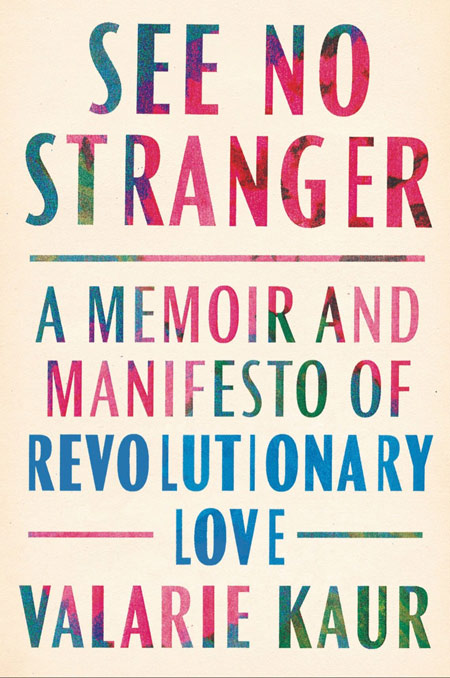
Speaking of deep, while I didn’t expect Mariah’s memoir to be as introspective as it was, I thoroughly expected this book by Sikh-American activist Valarie Kaur to wreck me, challenge me, and build me up again. It did all of that and more. Kaur is someone I respect enormously for her dedication, hard work, and positive imagination in these fraught political times, and reading this work–part memoir, part manifesto, and part meditation–really got my mind right in the midst of all the pandemic gloom and election stress. Highly recommended no matter what spiritual path or political bent you lean towards. Find it here.
It’s rare that I read a novel that hits all of my readerly happy spots–great storytelling, cool characters, grounded in culture and cultural redemption, heavy sci-fi, fantasy, or folklore angle, teaches me things I didn’t know, and lots of fun. Elatsoe hit them all and scratched the itches on a few I didn’t know I had. The story of a 17 year old Apache girl with the ability to call ghosts in a world where that isn’t a particularly weird condition, but not being white still is? Yes, please. I slurped this up like vegan ice cream on a 100-degree day and I’ve been recommending it to everyone who has ever read a book. Get into it here.
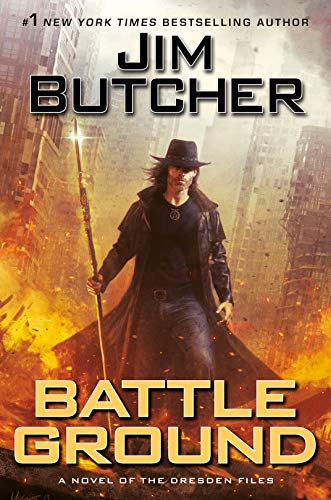
Speaking of fun, this is admittedly a weird entry on this list, comparatively speaking. It’s here because it was a fun, escapist popcorn movie of a book. When surrounded by Readers™ and Reading™ it can be easy to forget that reading for pure fun is still a valuable experience. Sure, Harry would not be likable in the real world, the Dresden women are alarmingly sexist creations, and the previous book in the series was kind of a bust. This book blows up a Kraken in the first 20 pages, sets Chicago on fire and lets good and evil duke it out in Millennium Park. The deaths are meaningful, the big damn moments of awesome are pretty damn big and pretty damn awesome and ultimately, I just had a lot of fun in the pages of this one. They don’t all have to be deep. Find it here.
It took me a long time to get a bead on this National Book Award winner about a Taiwanese-American actor living in the space between racial stereotypes in Hollywood. It’s a truly unique novel and while there are times when it reminds me of work by Spike Lee and Paul Beatty, I can honestly say I’ve never read anything like this, at least not so fully realized. It’s imaginative, incisive, critical, and also tugs a few heartstrings. It hit almost all of the same literary buttons as Elatsoe but it’s a lot less joyful. I only gave it 4 stars when I initially reviewed it, but I read it back in July and it really stuck with me in a way that not a lot of books do. Find it here.
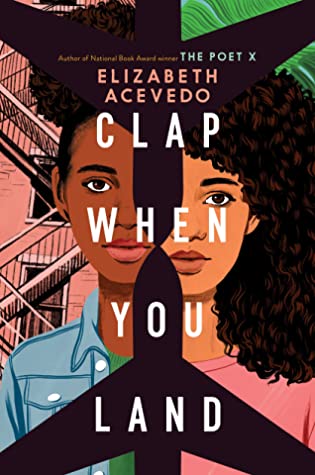
I damned this with faint praise initially because the novel-in-verse structure felt gimmicky for me at first. However, this is another book that really stuck with me long after the last page. Something about Acevedo’s portrayals of immigrant community and the process of loving flawed people entirely really resonated with me. On its face, it’s a simple story of two daughters separated by both an ocean and their father’s duplicity. But I feel like this is a book that will be talked about and remembered for a long time because it says so much more than what its surface story seems to be. Find it here.
According to my reading tracker, 80% of what I read is backlist titles. That said, I did read some good books published this year and I’m pleasantly surprised by the diversity of what I found good. I may do a few more year end retrospective lists. I may also just eat my weight in cheese straws and York peppermint patties over the holidays because pandemic. Only future me knows for sure, but check back here to find out in about a week.
(As always, thanks for reading, beautiful people. If you want to see a list of everything I read this year–backlist included–check out the full shebang HERE. Remember, this blog has affiliate relationships with entities like Bookshop and any purchases you make from links clicked on from this blog may result in a commission being earned. Happy Holidays!)
🎄⠀ As much as I love Black romance, this is somehow the first book by Jasmine Guillory I’ve ever read. As romances go, this one is pretty standard. Social worker Vivian gets the chance to accompany a relative to the UK for Christmas–while they work hard styling royals, she plans to read, drink tea and eat scones on a country estate. (Wait…is my name actually Vivian?…nope, ok, moving on…😜) However, there’s a distraction from her plans– Malcolm, a charming, handsome member of the Queen’s personal staff who introduces his new favorite American to mushy peas, quarter horses, and luv. Add in some holiday shenanigans and it’s a fun, pleasant holiday read, although a bit predictable.⠀ ⠀ Like I said, there’s nothing unusual about this girl-meets-boy story unless you count the fact that Malcolm and Vivian are both in their mid-fifties and Black. It’s nice to see a sweet, sparky romance featuring a passionate mature couple. It’s also nice to see the culture differences between Black American and Black British people acknowledged and enjoyed. (I’m a Black American who lived in the UK for 6 years and met plenty of Black Brits. Trust–we are not the same. Distant cousins, really.) It’s always nice to see Black people in love, living happy, stable, successful, wish fulfillment lives in print–I love when we tell stories about ourselves that feature more joy than trauma.⠀ ⠀ By the way, don’t let the over-50s info fool you–there is a surprising amount of steam in this book. There’s quite a bit of build up and then suddenly there’s remarkably attractive 50-something year old 🍆 all over the place. I didn’t mind it at all, but if you expect over-30s to just hug on the doorstep promptly at sunset and then go sleep alone in narrow separate twin beds–perhaps this is not the book for you. Or perhaps it is–someday you’ll be middle-aged too. 😁⠀
4 stars and a platter of mince pies to Royal Holiday.
(Fellow readers, beautiful people, and fellow Christmas romance fanatics…if you want to read this book, find it here. If this isn’t quite your cup of tea but you are in the mood for a different Christmas romance, check out my list of diverse romances for the holiday season here. Do be aware that this blog has affiliate relationships and any purchases made at sites you click through to may result in a commission being earned. Peace(and Happy Holidays!)
I really wanted to. It’s a memoir of the author’s multiracial family, who were coded Black by American caste norms but felt culturally closer to their Choctaw and Coharie Indigenous ancestors who purchased and integrated African slaves, then expelled their mixed descendants in a bid to gain federal registration and recognition from white politicians. The historical bits of this book lyrically acknowledge the rarely explored (and not always positive) connections between Black and Indigenous people in the Americas. Buchanan is primarily a poet and there’s a lot of craft on display here–she has a finely developed voice and I’m curious about her poetry after reading her memoir. ⠀⠀
Despite that, I did not enjoy this book. The family struggles with abuse, addiction, and tragedy to a numbing extent, and there are no bright spots whatsoever in their sadness. Everyone is mean, vicious, and almost feral in the way they interact with each other and the world. This is a visceral, uncomfortable book that never for a moment lets you forget that the world is full of pain and sorrow, and even small joys are easily corrupted. Slavery and colonization are blamed but not interrogated. They’re just on sad, painful constant display, droning Look at what happened to us. See how it’s still happening? We are our trauma. We are our pain. That’s all we really are.⠀⠀
Speaking of which, the way that the author speaks of culture didn’t quite gel for me. She uses the outdated term “Indians” for herself and others throughout–at first, I thought it was because the book was older but nope, it was published in 2019, so what gives? She also uses the term RedBlack which…well, maybe I’m missing something but my first reaction to that term was to mentally gag. While the trauma in this book is deep, the culture is shallow. Blackness is Motown, “good hair”, colorism and brutality. Indigenous culture in this book is a mishmash of sweat lodges, the Trail of Tears, “good hair” and a social club of Afro-Indigenous people (who are the only really bright spot in the book and actually seem a little out of place as a result). All of this is sprinkled with a finely powdered bitterness that I think comes from the author’s search for healing and belonging in the midst of all this constant trauma display. ⠀
The premise and history here are important but this wasn’t recommendable at all. And I’ll be very honest–I really had to sit with myself for a while after reading this. Did I dislike it because the unvarnished trauma made me uncomfortable? Or because the implications of slavery, colonization, genocide, and infighting for legitimacy and cultural power between oppressed peoples bothered me, and my preconceived notions of Afro-Indigenous relations? Am I being unfair to this book because of internalized prejudices? Maybe all of the above, maybe none. I am also an American, after all–too soft and too brutal simultaneously. Maybe I’m prejudiced towards unflinching or unfamiliar race trauma narratives despite what I’m always saying on here. Maybe this isn’t my trauma and I should shut up and let this speak to who it’s meant for if it’s not me. All I know for sure is that I’m sorry I bought this, because the sadness and pain outweighed the knowledge and no matter what, RedBlack is hotep-y and still makes me gag mentally.⠀⠀
2 stars to Black Indian
(Yeahh…so while I can’t in good conscience recommend buying this one, beautiful people, I included affiliate links anyway. You can check out a list of more worthwhile(IMHO) titles by Indigenous authors HEREbut as always, be aware that any purchases made at links you click from this blog may result in a commission being paid. Peace! )
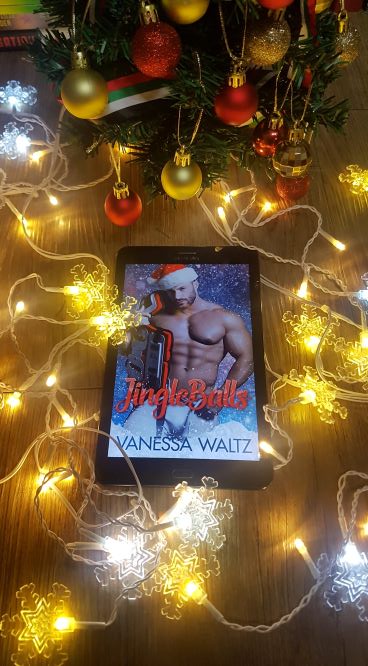
I’m not even going to pretend I can keep a face straight enough to actually review this. Just know that it’s exactly what the cover and title promise. This is the kind of good and terrible fun read no one ever admits to in public but everyone kind of enjoys…unintentionally hilarious and a great tonic for holiday stress. A few things though…⠀ ⠀ Note 1: This has a high steam level. 🍆 starts flying around from the first page. Be warned. Two college co-eds home for the holidays on the rebound keep walking in on each other in the buff, flirting outrageously, and somehow getting into situations that require nudity in the middle of a rural Connecticut winter. Nothing about this is realistic, everything about it is lady pr0n, and I have no shame whatsoever saying it was a nice escapist read for a Saturday afternoon. ⠀ ⠀ Note 2: Originally the picture was the tablet leaning up against my pathetic 16-inch-high Charlie Brown-esque excuse for a Christmas tree. The original first line of this post, no entendres intended, was “My poor pathetic Christmas bush really needs tending to, doesn’t it?” Fortunately I caught it just in time and changed it but…I need professional help.⠀ ⠀ Note 3: This is occasionally free on Amazon Kindle, should you want to see if the college coeds in this book manage to jingle all the way before Christmas. Check the links. If it’s not free, this is one of those books that circumvents my Amazon Caveat because it’s by a self-published author from who built her audience on that site, something I have respect for and don’t mind promoting. ⠀ I’m going to go do some good deeds to erase some of the lumps of coal I’m sure this blog has earned me now…
(Fellow readers, admit it. You’re curious. If I’m not just projecting, find the book hereand a ho, ho, ho to you. This is an affiliate link and if you purchase I earn a commission, but frankly I recommend this as a Kindle Unlimited freebie or to use up the last edges of a gift card. Peace!)
Thing I said approximately 337 times while reading this book: Awwww, my HEART! 🎄⠀ Christmas is a great time to create, remember and celebrate childhood memories and this beautifully illustrated picture book is great for all three. Little Maria is feeling very grown up as she helps her mother make tamales for Christmas Eve. When the cousins, aunts and uncles arrive mom goes to answer the door, and Maria is left alone to play with mom’s beautiful diamond ring…which somehow gets mixed into the masa! Maria and her cousins are faced with a pile of Christmas tamales secretly containing a fancy ring–how will they find it? ⠀ ⠀ There’s so many lovely things about this little book. Living abroad it’s sometimes hard to explain that not everyone in the USA has an ahem white Christmas, so it’s nice to see a book showing some of the other cultural traditions and holiday foods from the USA in a simple, affectionate way–specifically Mexican-American traditions. The lovely painted illustrations feel like perfect snapshots of a loving family Christmas and I wish I’d gotten the print version, not the e-book. They’re that beautiful.⠀ ⠀ This book reminded me of long ago Christmas Eve gatherings–playing with all my cousins, hearing my father and uncles take turns reading Christmas scriptures(and trying not to doze off), overeating all the good food my mother, aunts, and grandmother prepared but still finding room for candy canes, and inevitably getting into some shenanigans that had Santa Claus threatening to leave coal in everyone’s stocking. Basically, this book got me all up in my Christmas feelings and I really enjoyed it. Bring on the eggnog and the pecan pie!☃️⠀ ⠀ Five stars and fiiiiiiivvve GOLden RINGS to Too Many Tamales.
(Feliz Navidad, fellow readers. This is your regular reminder that this blog has affiliate relationships and if you click and purchase anything from a link you find here, a commission may be earned. However, all reviews are 100% honest and unbought. Peace!) ⠀
As far as I am concerned, there are only 2 categories of holiday reading–romance novels and Charles Dickens’ A Christmas Carol. The end of the year is often hectic and it’s nice to take a moment and remember that love is real and ghosts sometimes yell at stingy rich guys.
The thing about romance novels is that they’re predictable in all the best of ways. When The Wind Chimes by Mary Ting is no exception. A poor, talented and somewhat insecure artist goes to visit her family in Hawaii for Christmas, where she’s magnetically drawn to a fantastically rich, impossibly perfect, aloof single dad. I bet you can guess exactly how the story goes just from that very brief description(and if you can’t, where have you been, friend?) There’s a little Christmas magic, some good family scenes, and a lot of awkward attraction that blossoms into unrealistically quick love–and I’m here for all of that. It’s exactly the kind of cheerful, light entertainment I crave for the holidays. ⠀
While reading this book, it occurred to me that this is the first romance novel with an Asian-American biracial heroine written by an Asian-American author that I’ve ever read. As a genre, romance has its fair share of fetish and stereotype issues, but Kate, the star of this book, loves her family, gets her man and lives her life without ONCE talking about the shape of her eyes or her immigrant parents. It’s refreshing to see, to be honest. ⠀⠀
One more thing–apparently it’s good to add the steam level in romance novel reviews. There is no steam whatsoever in this book. It’s remarkably chaste and relies more on emotions than . Having to rely on emotional chemistry rather than lust is challenging in a romance, and I do think the main guy could have had a smidge more personality and initiative to help things along–my only real criticism. ⠀⠀
(Many thanks to Hidden GemsBooks for sending an eARC in exchange for a fair review of this book. This blog has affiliate relationships, and clicks/purchases may result in a commission being earned.)
All year I’ve been reading around themes. In February I read books by Black American authors for Black History Month. In May I read books by Asian and Asian-American authors for Asian-Pacific-Islander Heritage Month. Pride Month had me exploring the words of authors in the LGBTQIA+ community and a little over a month ago, I read books by Latinx authors for Hispanic Heritage month from September 15th – October 15th. Now, the year is almost over. It’s November and I’ve spent the month reading books by Indigenous American authors in honor of Native American Heritage month. It’s made for an interesting, illuminating year in reading, and through it all, I’ve come to one conclusion…
I’m not doing this again next year.
Look, I’m the Equal Opportunity Reader, not the Performative Ethnic Consumerism Reader. I like mixing things up and drawing comparisons between art in different communities side by side, not isolating myself in pools of one culture at a time. It was a good idea at first but ultimately, all I did was give myself continual cases of the literary DT’s. While I was reading solely Black writers in February, I found myself longing for books by Arab writers. While I was reading Latinx writers, I was wondering about books by Asians. While reading Indigenous writers, I started missing Black voices. Meanwhile my favorite writer babies, my multiethnic, multicultural, category defying literati were being sorely neglected. I managed to assuage a lot of this by choosing books that intersected multiple communities as often as I could, but to be honest by the time I got to my Latinx Heritage Month recap I felt like a tacky hacktivist cheeseball. I read books from multicultural communities anyway naturally, without needing to announce them in theme park chunks. So while there were definitely good things about curating my reading patterns so intentionally this year–which I’ll get to in a moment–next year I’m going to do things a little differently, a little more intuitively, and a little more naturally. Watch this space.
That said, it hasn’t been all bad. Reading books from specific communities for a month at a time all year has been illuminating in some ways. For Native American Heritage Month, I learned quite a few new things. One is that Indigenous writers are killin’ the game, in every possible genre of literature. Once I scratched at the surface of the Native literary canon I was pleased and excited by how many good books I discovered, then annoyed by how little I’d heard about them all. I read four or five books this month, but I’m heading into 2021 with a list of 25 or so that I cannot wait to read. (If you’re curious, I made a quiz of the ones I read and the ones I still want to here. Go see how many you’ve read and report back in the comments.) Poetry, literary, speculative, horror, romance, historical, non-fiction–you name it and there are spectacular Indigenous writers cranking out incredible books in every genre. I know it sounds a bit facile to point that out–after all, the whole point of this blog is that there are writers of every background writing incredible books and we should pay attention to as many of them as we can, not just the white famous ones–but the thing that shocked me is that I had never heard of any of these writers. Me, who used to teach Tomson Highway in my freshman lit classes, who thinks N Scott Momaday is the best writer of landscapes alive, and who has helped several friends evict The Education of Little Tree from their bookshelves? Me, with my nerdy obsessions with the publishing industry, non-performative diversity, American communities “of color” and my own minimal-but-intriguing indigenous heritage–I had still never heard of most of these fabulous Indigenous writers. Where have I been? I know where they’ve been–killin’ the game!
What is it with this year, y’all? Sheesh.
Aside from exposing my own ignorance and a terrible imbalance of marketing dollars in the publishing industry, I was also saddened by the evidence of ongoing genocidal thought and action when it comes to the individual nations that Indigenous Americans belong to. One of the strongest markers of this seems small but isn’t, really. Try searching for the common colonial name of any Indigenous nation in Google. Just try it. Look up Iroquois, Mojave, Mohawk, Chippewa, Seminole, Sioux, Osage, Ojibwe. Then note how long you have to scroll down through the search results before you get to actual information about and pictures of the people who are called by that name. You’ll get consumer products, fashion trends, corporate entities, science experiments and in one shocking instance, even dogs before you get to the people those names belong to. This is unacceptable.
I know that the names I listed above are not actually the proper names of those ethnic groups, but if you know that, you already know the problems that exist when it comes to Indigenous Americans and their treatment by the government and other communities. I also know that for those who do not know much about Indigenous people, those are the names that have stuck, and they no longer belong to people in the common parlance. To put it into the perspective that struck me–I am Black and very aware of how low on the American caste system my community is seen. If you search for Black people or bring up Black people in discussion, it won’t be long until you find racism, anti-Blackness, smug cultural appropriation and a level of aggression towards us that makes my eyes water to even think about. But we exist. In the eyes of mainstream, assimilationist America, Indigenous people barely even exist. Again, this is unacceptable and we all must educate ourselves out of this mental habit of erasing our Indigenous brothers and sisters due to sheer ignorance.
Which brings me to the third thing I learned this month. I learned that Indigenous Americans exist. Their cultures are diverse, varied, and resilient. Indigenous Americans have survived in the face of deliberate attempts at erasure, despite suffering genocide in all forms and enduring systematic discrimination. I learned that just like in every community, words are the key to preserving all the things that make a culture, recognizing all the things that keep a culture growing and moving forward into the future, and exposing all the things that work against a culture and a people to try and destroy them. I learned that I should be reading more Indigenous authors and paying more attention to Indigenous issues. I learned that indigeneity is woven indelibly into the fabric of America, into every person and community–not in a cheesy “my grandmother was a Cherokee princess” kind of way, but in a “we have all survived this country’s attempts to murder and subjugate us, and we’re connected, by our food and our music and our art, and our families, even though we don’t always know it–and I should honor that more” kind of way. I also learned that good Indigenous writers, like all good writers, tell damn good stories and if there’s one thing my life could always use more of, it’s good stories by good writers.
That said–let’s get to the books.
As always, you can see the whole list including some titles I don’t talk about in detail in the blog HERE. Also, for the new arrivals and the people in the cheap seats–I’m not an expert or a literary scholar. I just like reading and talking about books. This list is not exhaustive and it isn’t meant to be. Don’t come at me with anything weird unless it’s also smart. So…
Natalie Diaz(Mojave/’Aha Makhav) writes the way sweaty old jazz musicians in dark smoky clubs play, which is to say with unparalleled, painful virtuosity. This collection was a banging start to the month–the theme is desire vs. erasure, and indeed most of the poems are love songs to the women Diaz desires. Whether they are real or symbolic really is up to the poet and the reader, I suppose, but my favorite poems in the collection are those dedicated to Mojave water rights and basketball. While this didn’t hit as hard as her previous collection, When My Brother Was An Aztec, the writing is still amazing and elicited a few out-loud oh-my-Gods on the train. Find it here.
This is easily one of my favorite books of 2020. It’s a ghost story, a whodunit, a YA fantasy novel, a teen summer caper story, a fairy tale and a mythology primer all at once. Elatsoe(E-lat-soh-ay) and her ghostly adventures unrolled in front of my eyes like a film and I’m not sure I’ve been so immersed in a book since Girl, Woman, Other back in January. The story draws a lot foundationally from both the “standard” fairy-tale fantasy canon–faerie, vampires and the like–but also from Little Badger’s Lipan Apache heritage. It’s a beautiful mix that both loves and chastises America for the tales we tell as a country. It’s also an amazing story and I really want Little Badger to write more and get this to be made into a film if only so I can see the part where someone defeats a vampire by revoking his invitation to Native land in a theater and laugh out loud unselfconsciously. This one is worth buying, reading, loving, and sharing with the kids. Find it here.
This is one of the most unique books I’ve read, especially for middle grade fiction. It deals with some very tricky issues–13 year old Collin leaves his white dad in California to live with his Anishinaabe (Ojibwe) mother in Minnesota, knowing nothing but the broadest of stereotypes and minimizing racist language about that half of his heritage. Lucky for him, his mom lives in a community full of joy, patience and good humor that quickly brings him up to speed, with a little help from the pretty girl next door–who believes she’s turning into a butterfly. This books sounds strange, but it isn’t, even though the more details I add, the odder it seems–Collin also has a form of OCD that requires counting compulsions, and there are subplots that somehow manage to bring in representation for all sorts of unexpected groups of people. Despite all this it’s a pretty typical coming of age middle grade story, with a lot of heart and a good message overall. If I had a kid, I’d let them read it, but there are a few moments in the book that we’d have to Talk About. Find it here.
I’m having a hard time finishing this simply because I don’t like it very much. (whew) There, I said it. It’s mostly trauma porn so far, which is a shame because the premise is very interesting. The author is Afro-Indigenous, from a family with the same ethnically checkered, erasure-riddled history that many Americans have, and dives into an exploration of what that means both historically for Afro-Indigenous communities and personally for her. I want to love this memoir, but there’s just too much real pain here, raw and bloody on the page. The pain is examined but not interrogated, and it’s like watching someone helpless be beaten, over and over again. This just isn’t an enjoyable book, despite its significance. When I finish I’ll review it in more detail, but so far this one is a disappointment for me.
This book, on the other hand, I’m really enjoying. One of the best surprises this month has been how incredible(and largely unsung) Indigenous speculative and fantasy fiction writers are. This book, for example, is based in the history and mythologies of pre-Hispanic South and Central America and whoa. In some ways, it’s a standard fantasy story but the worldbuilding is a creative joy, and resonates very deeply with my fantasy-loving yet dismissive of European-centering heart desires. If the characters build up to the heights the worldbuilding has already reached, this might be another new favorite. Interesting side note: both unfinished books in progress for this month are by Afro-Indigenous writers, as Roanhorse is of Ohkay Owingeh Pueblo and Black American descent.
The Books I Want To Read…
Y’all know how it is. The number of books I want to read exceeds the number of hours I have to read them in, so the following titles have been relegated to the “to be read” pile for now…
The Only Good Indians, by Stephen Graham Jones – The first two lines of this horror novel are “The headline for Richard Boss Ribs would be INDIAN MAN KILLED IN DISPUTE OUTSIDE BAR. That’s one way to say it.” Just from that, I’m intrigued as to what this story of four friends from the Blackfeet Nation pursued by the past–and its entities–holds. However, it’s horror, and can I be frank with you all? It’s 2020, we’re all dealing with this weird year in weird ways, and one of the ways that I am caring for my readerly self this year is by not being here for horror fiction. Nope. Can’t do it. I live alone in a foreign country during a pandemic. I can’t be introducing otherworldly beasties to my thoughts in those conditions, I’m already constantly fighting off the freak outs. So, this book is going to have to wait for less fraught days to be introduced to my locker of literary horrors. It looks like a great book, but I just couldn’t do it this month.
Islands of Decolonial Love, by Leanne Simpson – It’s been a while since I’ve read a good short story collection, and the reviews of Simpson’s work made it sound a bit like literary fiction counterparts to Tomson Highway plays(which I love). Still, I try not to read multiple books from the same communities within a demograpic in the same month, and Simpson is Ojibwe like James Bird, albeit a different nation. Also, I needed a little more magic and a little less trauma and musing in my life, so Simpson got the boot. Jokes on me, because The Brave was still pretty traumatic.
The Night Watchman, by Louise Erdrich – Erdrich is the queen bee of Indigenous writers–she’s at the top of every recommendations list, she owns a famous bookstore, she’s won awards and for some strange reason, none of her books really appeal to me yet. I’m sure when it’s time I’ll pick up one of her works and be enthralled, but that day hasn’t come yet. Also, Erdrich is yet another Anishinaabe writer, and I wanted to diversify my reading a bit.
NDN Coping Mechanisms: Notes From The Field, by Billy Ray Belcourt – I read maybe two-thirds of a Belcourt poem once and it hit me in the side of the neck, spun me around and made me sit down and seriously consider my life choices, self-concept and whether or not I really understood how to use the English language like a truly competent adult for a minute. Bro is wicked with a pen, and I love it. (He’s also Driftpile Cree, not Anishinaabe, so–diversity! But he’s also Canadian, so I disqualified him again based on that. This is why I need to get away from this tiny category system next year. Borders are fake and often unhelpful in this post-colonial world.) I was in the mood for some ferocious poetry, overdue to read a whole work from the award-winning young poet, and really was hoping to get into this, but just didn’t have time. Perhaps it’s just as well–I’m not sure my life has space for a poetry-induced existential crisis at the moment. If yours does, let me know how this is.
There’s other writers I really wanted to get into–particularly Waubgeshig Rice, who writes haunting dystopian fiction but is Canadian and also another Anishinaabe writer(I swear y’all are the Dominicans of the Indigenous community–just everywhere!) and didn’t fit into this month’s theme. To see works by him and all the other excellent writers I left off this list, check the Equal Opportunity Bookshop. (Don’t forget, any purchases made will result in a commission being earned by this blog. Thanks!)
Peace, fellow readers, and keep reading diverse books!
13-year old Collin has an OCD-related condition that makes him compulsively count the letters in every word said to him and blurt it out. This has gotten him bullied out of every school in the area and his distant, alcoholic dad finally can’t take it anymore. He packs up Collin and his dog and ships them both off to live with Collin’s estranged mom. ⠀ But here’s the thing–Collin’s dad is white, a California golden boy who’s fallen on hard times and doesn’t know what to do with his weird, disappointing son. Collin’s mom is Anishinaabe (Ojibwe) and lives on a reservation in Minnesota. Collin doesn’t know his mom, her culture or anything about Indigenous people except for stereotypes and the casually racist and minimizing language he learned from his dad. It takes extraordinary patience on the part of his mom, challenges from the mysterious girl next door and a community of people who delight in pranking Collin using the silly stereotypes he believes to help him embrace his indigenous heritage fully.⠀ ⠀ I liked this book, but have mixed feelings about it. I liked the story, the emotions pulled me in, and the characters are a lot of fun to get to know. The whole book has a freshness to it that I really enjoyed. Bird is a screenwriter by trade, and this would make a great Disney Channel movie. Also, this book has amazing representation–a multiracial neuro-atypical protagonist with side characters who are gay, non-binary, in blended and multicultural families, have chronic illnesses, and so on.⠀ ⠀ But it is a middle grade novel, so it never lets you forget its messages™. Magical spirituality features pretty heavily into the story in a way that teeters perilously close to the stereotypes the book works so hard to make fun of. (Although, Bird does get points for not overexplaining his own culture, in true #ownvoices style). Other moments just had me scratching my head. For example–Collin manages to get kicked out of a dozen public schools for fighting bullies due to his condition, his mother is a public school teacher, his grandparents are old money white folks, yet somehow he never sees a therapist or social worker? Also, I won’t tell you how his condition gets “resolved”, but I thought it did disservice to neuro-atypical people, Ojibwe spirituality and…puppy love. Trust me on that last one.⠀ ⠀ If I had a kid, I’d encourage them to read this but would initiate a talk about some of the stronger themes, to stretch them beyond the narrative presented here. However, just the fact that this book was published and contains all of these challenging ideas and information is remarkable and I’m happy I read it. ⠀ ⠀ 4 stars and a string of numbers to The Brave.
(Beautiful people! This is my last review for Native American Heritage Month 2020–I’ve learned a lot and hope you have too. Recap coming soon, and meanwhile, you can take a look at all of the titles I read and considered HERE, at the Equal Opportunity BookshopAlso, this is the part where I remindyou that this blog has affiliate relationships and any clicks and purchases from links you find on these pages will result in a commission being earned! Peace!)
Update: As of March 31st, 2021(aka Transgender Day of Visibility) I’ve updated the booklist with a few new titles. See the whole thing at this link).
Today, November 20th, is Transgender Day of Remembrance. It’s a day to memorialize the individuals who have lost their lives due to anti-transgender violence — a shockingly normal occurrence. There’s not much I can say about the stats that would be adequate, but I will say this: take a moment and show some love to a transgender person you know today, beautiful people, even if it’s yourself.
The week before today is Transgender Awareness Week. 80% of Americans apparently have never (knowingly) met a transgender person, according to GLAAD. I think I’m fortunate in that I’ve always been around a lot of different sorts of people–part of the birthright of being a cis Black woman in the Western US. However, it was around this time last year that it occurred to me that I’d read few if any books by transgender authors. About trans people, sure. But trans-ness was thin on the ground in my book collection–this is what I came up with, when all was said and done.
Pitiful. The only transgender author I’d read was Eddie Izzard’s (disappointingly dry) memoir. The rest were books about trans people from decidedly cis-straight perspectives, either as projects, side characters, or nebulous speculative concepts.
Like I said, pitiful.
So, I decided that between last Transgender Awareness Week and this one, I’d make an effort to read more books by trans people.
I’ve read two. And started one other.
Well, that’s something to keep working on in 2021. In lieu of my usual list of “books I’ve read around a theme” this is going to be more of a “books I want to read around a theme, eventually” list. See the whole shebang here, including a few books I didn’t have room for in this post. Let’s get started with…
This book has made its way onto several of my 2020 lists, and for good reason. It’s an intimate memoir about a South African transgender man’s life escaping from abuse, discovering success, and embarking on a gender confirmation journey. Landa reached out to me personally about the review and was super nice about it, as well, even sharing it to his Instagram story(!). Still, even if he hadn’t contacted me, I’d still have pretty high praise for this personal, affecting work.
I didn’t like Filipina Harvard grad Meredith Talusan’s memoir of life as an albino immigrant trans woman in the Ivy League nearly as much as Mabenge’s story. To be fair, Talusan is pretty open about how little she cares about being likable in text, but still, months after reading this, something about the way she portrays herself irritates me. That said, there’s something to be said by how intentionally she steers the narrative away from trauma and dysphoria, acknowledging that not all transgender people have the same experience and being very authentic to her own personal one.
Akwaeke Emezi is personally non-binary, not transgender, so I debated on whether or not to include them on this list. They’re here because Pet’s teenage protagonist, Jam, is a transgender girl. I can’t tell you much more than that–I didn’t get very far into this novel yet. There’s nothing wrong with it–I just never seem to be in the mood for YA when I pick it up. I would recommend it though–what I’ve read so far is intriguing. Also, the author has stated in interviews that this book is about a Black transgender girl living a supported, happy life going on adventures–I’m sold just because it promises joy and isn’t trauma-focused.
Books I Want to Try To Read in 2021…
Okay, so first of all, best laid plans of mice and men, okay? Like most heavy readers, the list of books I want to read is far longer than the books I have time for, and listing these here doesn’t necessarily mean I’ll get to them. A girl can dream, though…
Dreadnought, by April Davis – I’m pretty sure I’ll actually get to this one before the end of the year–the premise is just too good to pass up. Teenage Danny Tozer hasn’t even come out as transgender yet when she discovers dying superhero Dreadnought, who passes her his mantle as his last act. The cape holds the power to make the wearer resemble their ideal self and suddenly shy Danny Tozer is a hot super(cis)woman, much to the chagrin of her friends and her transphobic father. Sounds great, and I can’t wait to read it, personally.
Little Fish, by Casey Plett – This book won the Lambda award, and sounds like the kind of intergenerational family drama that Netflix movies are made of. A young transgender woman finds out that her stern, hyper-masculine, religious grandfather might have been (closeted) trans which results in a journey to discover if the revelation is true. There’s something remarkably affirming about seeing yourself in your family history(and seeing your family history in you) and this seems like both an unfamiliar(to me) and heartwarming take on the theme.
Sorted, by Jackson Bird – Someday I’ll tell you all the story of the first time I (knowingly) met a trans man, and how badly I mucked up the encounter. For now, it’s enough to tell you that the endearingly awkward tone of the first few pages of Jackson Bird’s memoir of coming out as trans at 25 and kind of muddling his way through it reminds me a lot of that long ago guy I embarrassed by not understanding that transgender men actually existed(it was the late 90s, not that that’s an excuse) and asking a very uncomfortable question(no, not THAT one…it was about name changes). Bird’s memoir seems to have a lot of grace for those of us trying to understand trans experiences from the outside as he navigates it from the inside, and something about the tone is very appealing to me.
Felix Ever After, by Kacen Callender – Everyone else I know seems to have read this book, but again, it’s one that I never seem to pick up when I’m in a YA mood. It’s a teen romance featuring a young trans man, and seems to have the sort of sweetness you’d expect from any other book in the genre. I’m saving this one for a light beach read, come the day I can safely travel to a good reading beach again.
The Black Tides of Heaven, by Neon Yang – I happened upon this as I was clicking through my Goodreads recommendations and my eyes popped a bit at the description. It’s the first novel in a science fantasy trilogy (in the vein of N.K. Jemisin’s The Broken Earth ) featuring everything from dinosaurs and robots to psychic powers and mad scientists. There are apparently trans and non-binary characters galore, and the author is non-binary as well, a former scientist who calls their intensely creative writing style, with its foundations in the author’s academic training and Singaporean heritage, “silkpunk”. Never heard of it before ten minutes ago, but it’s going on my to-be-read list right away!
That’s it for now, fellow readers. What books by transgender authors have you read? Any suggestions for my list so that next year I can be a little less pitiful?
(Thanks for reading, fellow readers. Check out these books and more at my online Bookshophere, and be aware that this blog has affiliate relationships, so any clicks and purchases made at links you reach from here do result in a commission being paid. Peace!)








 . Having to rely on emotional chemistry rather than lust is challenging in a romance, and I do think the main guy could have had a smidge more personality and initiative to help things along–my only real criticism. ⠀⠀


 Equal Opportunity Reader