[REVIEW] Star Child: A Biographical Constellation of Octavia Estelle Butler, by Ibi Zoboi

(Buy this book here.)

When I was in elementary school I went through a phase of trying to read all of the middle-grade biographies available in my school’s library. There was a mass-market series of them in a shelf right next to the librarian’s office. They were old and cheap, mass-produced, bound in nubbly plasticized cardboard and had terrible illustrations, from what I can recall. I don’t remember much else except that one of them was about Mahalia Jackson, and I was obsessed. I didn’t really know who she was before checking out the book, but my grandmother was excited to see me reading about her and explained. Eventually, I saw a clip of Jackson performing on a PBS special (this was long before YouTube) and was fascinated by how someone so gifted and unique had once upon a time been a normal kid with relatable emotions and a life I could understand the shape of.

I could see a kid picking up this bio of Octavia Butler and feeling the same way today. It’s perfectly leveled for young readers and focuses mostly on Butler’s childhood in California and all of the early events, mundane and unusual, that shaped her into the Grande Dame of Science Fiction. While the language is simple, the book is very thoughtfully structured, in blocks of matter-of-fact prose alternating with inventive poems reminiscent of the ones underpinning Butler’s Parables series. Space, the stars, and the imagination are major themes, along with the realities of race in Butler’s life, both expected and unexpected. There’s something really sweet and inspiring about the way this is put together. It’s reverent, informative, personal, and encouraging all at once.

I can only hope that whoever eventually writes the inevitable biography of Butler for adult audiences takes some notes from the way this one is presented.

This is 100% for kids, but adults can certainly take notes and learn from this too. A notebook for the next young writer and endless respect for the trailblazers to Star Child.

(Fellow readers, if you haven’t read Octavia Butler, you should! Start here, with this booklist from the Equal Opportunity Bookshop. For reasons both legal and mannerly, I need to tell you that if you do purchase a Butler book from that site, I’ll make a little spare change off of it due to our affiliate relationship with Bookshop. Fun fact–that page will lie dormant for months, then suddenly I’ll get a notification and it’s someone buying every last one of Octavia E Butler’s books. It always kind of amazes me, but it’s cheering as well. Anyway, read her if you haven’t, and whatever you read, make sure it’s good! Peace!)

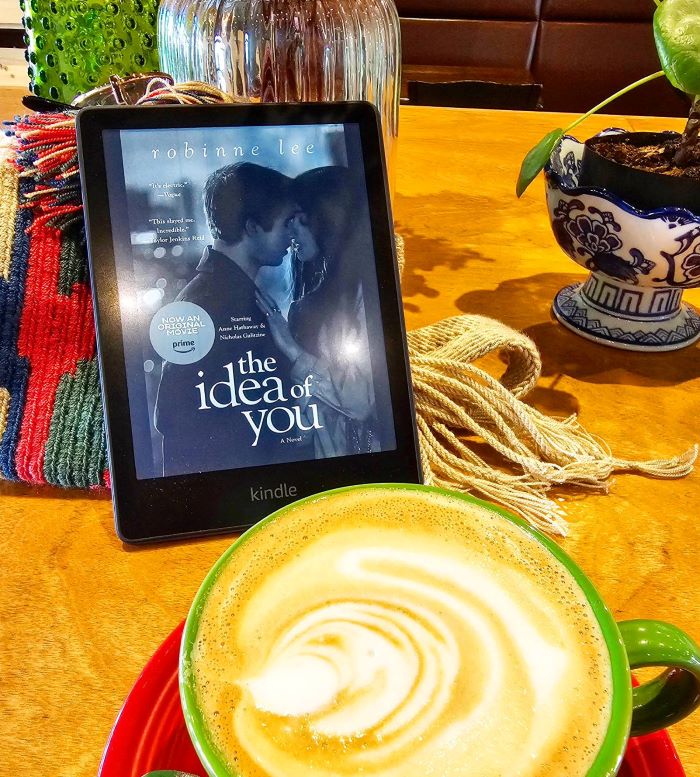
[REVIEW] The Idea of You, by Robinne Lee

(You can find this book here.)

I wasn’t really planning on reviewing this age-gap, popstar, Amazon Prime-adapted romance but it’s weirdly icky, so let’s discuss.

It’s fine that French-American gallery owner Soléne is 20 years older than her 20-year-old lover Hayes. It’s fine that he’s a member of the world’s biggest boy band. It’s fine that the spice is extra hot and pretty constant. It’s fine that large swathes of this book are just lifestyle fantasy dumps, full of brand names and status symbols. It’s even fine that this is apparently an ascended Harry Styles fanfic. (I am too old and too Black to pick up any of those references, but if that’s what you’re into, here’s the apparent proof.) All of that is fine. Romances are fantasies, and sometimes the fantasy depends on being rich, privileged, and sexually insatiable. Done well, it’s a lot of fun.

But it’s not fine that on the first date, Hayes tells one of those terrible stories of losing his virginity to statutory rape the way that too many real-life men have. It’s not fine that nobody acknowledges how messed up it is, except for moments of jealousy(!) because the perpetrator is still in his life. It’s not fine that every time Soléne sees Hayes’ body intimately, it’s immediately followed up with comments about his age, boyishness, and lack of physical maturity. It’s not fine that there’s a scene where Hayes compares a highly sexualized feature of Soléne’s to her 12-year-old daughter’s, who happens to be his biggest fan. It’s not fine that Soléne essentially treats Hayes the same way that creepy older men are criticized for treating much younger women.

Ick.

It’s also not fine that this book was written by a Black author who initially conceptualized it with a Black female lead, but due to fears it wouldn’t sell ultimately wrote it with a majority white cast of characters. (I did wonder if the Exotic Black Best Friend in the book was at some point a main character elsewhere–she’s really interesting.) I guess I get why the change was made — sometimes a check is a check — but despite the author’s assertions that she knows white people well, these are vapid, flat, boring, oblivious white people who feel sanitized and aspirational despite their many vices. They have their moments, but mostly they seem to do nothing but buy things and think about themselves.

Ick again.

It is well-written and sexy, and the premise is undeniably interesting. I liked the movie as well, but parts of the book just didn’t sit well with me. Oh, and if you’re a stickler for traditional romance novels, you’ll HATE the ending.

A background check and some sense to The Idea of You.

(Fellow readers, this one was a surprise–I expected to love it but kept expecting Chris Hansen to pop up and smack the book out of my hand once I got into it. (Shout out to Crafty Kita for that reference!) In any case, if you’re interested in reading more diverse romance, check out my booklist on Complex Loves at the Equal Opportunity Bookshop. Just remember that we have an affiliate relationship there, so anything you buy from a link you find here results in a commission being paid. Hope you are all being loved in an…age-appropriate way? Now, go and read something good. Peace!)

[REVIEW] Walking Practice by Dolki Min, translated by Victoria Caudle

(Buy this book here.)

Spoilers abound, because there was no other way.

Sometimes, it takes a people eating alien to show us just how much dating, gender expectations and hook-up culture can suck.

This debut novel by enigmatic queer Korean literary figure Dolki Min follows an alien stranded in Seoul, light years away from home, family, and anything ethically edible. Freshly butchered human seems to be the only thing that our narrator can stomach, and the best hunting ground is dating apps. By uncomfortably squishing its weird alien body into a variety of human-passing, sexually fluid gender disguises, the alien finds fresh victims every night, gaining miserable insight into the intimacies of human existence at its most primal.

This book is gross. The alien is gross, it thinks humans are gross, and its serial killer habits and diet are also deeply gross. (One scene in particular reminded me of another very gross book.) It’s all pretty revolting. It’s also pretty fascinating. Min’s created an immersive metaphor for the creeping social tyranny of gender as presentation and product. The alien is just as much a victim of its surroundings as it is a perpetrator of violence and wow, isn’t that an interesting statement to start a literary conversation on gender with?

This book is also uniquely Korean–many passages evoked very specific sense memories of Seoul and people I knew there in a way that doesn’t feel like it’s pandering to the hallyu gaze. This book was written specifically by and to Koreans in the culture using experimental language and lots of slang, and I have to hand it to the translator–you get all of the weirdness and experimentation without once tripping on a clunky reminder that you’re reading a translation. This book is weird, but a smooth read, and the translation reflects that.

It’s so smooth that you don’t realize you’re missing crucial pieces of information about the alien until you’re told, which leads to an unexpectedly emotional ending. I’ve never read anything like this, but I’m glad I did.

A copy of Tender Is The Flesh and a lifelong Tinder ban to Walking Practice.

(Fellow readers! This goes on the pile of books I am glad I read, but will never read again, because gross, man. If you’re interested in other alien invasion stories from global perspectives, check out this booklist or check out an updated version of it at the Equal Opportunity Bookshop, where every purchase you make gives us a little affiliate change. Thanks for reading, and go read something good. Peace!)

[REVIEW] That Time I Got Drunk And Saved A Demon, by Kimberly Lemming

(Buy this book here.)

You’ve probably already heard of this smash-hit monster romance about a pink-haired sistah named Cinnamon and a demon (but not really?) named Fallon. While tarrying on the path home to her family’s spice farm after a drunken festival to celebrate the band of heroes sent to kill the demons threatening the realm, Cinnamon is attacked by one. After hitting him in the face with a bundle of her namesake spice, she finds out that demons aren’t evil–they’re the cursed victims of a hell of a propaganda campaign, and she has not only the antidote to their magically induced psychosis but the skill and wit to undo the curse forever. With a little help from Fallon’s rock-hard abs and handsome face Cinnamon is convinced to go on a quest to reveal the truth–and maybe get a little something for herself along the way.

Usually, this is where I tell you the plot is not important because all romances are the same and that’s why we read them but this time, that’s not quite true. There’s actually a pretty good fantasy quest story here, with a lovable company of adventurers gathered along the way, tricky challenges, and epic battles. The only thing is that–okay, you know how in most fantasy novels romance is there, but not explicitly? Kind of a slow build and fade to black before returning to battle? That Time I Got Drunk and Saved A Demon does this in the reverse. The magic and adventure elements are there, but the lore explanations and fights are handled quickly so that there’s plenty of page time for graphic spicy scenes and cozy cuddling and cooking together.

This book is also hilarious. Cinnamon is very much a carefree Black girl, and her narration keeps it real. Every smartass thing you’ve ever wanted a heroine to say in a fantasy tale and then some comes out of her mouth, and the fact that everybody else has jokes too make the dialogue a lot of fun. Cinnamon’s family is fun, and when she Fallon get together, there are a lot of cute cultural touches that bring some of the comfort rituals of Blackness into the romance–she makes Fallon crawfish boil, he helps her take her braids down, and so on.

The banter’s good, the quest is magical, and the spice is hot. This was a lot of fun to read, and I might snag the rest of the Mead Mishaps series to take to the beach this summer.

Seasonings and spice to That Time I Got Drunk And Saved a Demon.

(Beautiful people, this book was a lot of fun. And while I always say they don’t all have to be deep(and this wasn’t), this was smart and funny and much more clever than I thought it would be. It’s also pretty hot. To read other romances with diverse couples, check out this booklist. For all kinds of diverse books for diverse readers, check out the Equal Opportunity Bookshop. If you purchase anything there, we do get a little commission, which we’ll probably use to buy the rest of this series and review it. Now, go and read something good! Peace!)

[REVIEW] Blood At The Root, by LaDarrion Williams

(Buy this book here.)

Malik Baron has had the usual fantasy hero’s rough start in life. He’s an orphan who’s finally aged out of the abusive foster homes he grew up in, and he has the prickly, exasperatingly self-destructive, suspicious personality to show for it. He also has erratic magic powers and no idea where they came from, except for that they have something to do with the night his mother died or disappeared.

When Malik discovers that his younger foster brother Taye is being abused by his new foster dad, he concocts a plan to use his magic to steal a car, rescue Taye, and drive from Alabama to California with no money and only an unreliable mystical tingle to go on. Brilliant, right?

Fortunately for him, some magical heavy hitters take note, and Malik is suddenly reunited with his powerful witch of a grandmother and admitted to Caiman University, the world’s premiere HBCU.

There aren’t a lot of surprises here. It’s a magic school story, and we’re all pretty familiar with those now. The comparison to the Harry Potter novels is well-earned, but this also felt like an edgier version of my favorite Black magic school novel, The Gatekeeper’s Staff by Antoine Bandele. It’s the usual mix of new friends, strange magic classes, wise mentors, first loves, epic world-changing MacGuffins, and unexpected betrayals, all setting up a new quest for the presumed sequels. Not a single plot point here surprised me. What did surprise me was how thoroughly Black and Southern this is. Every character, cultural reference, and spellcasting phrase has its origins from somewhere in the African diaspora, often drawing from bits of reality. Hoodoo and voodoo rub elbows with the old school Black church, Haitian Creole is a common second language, and if you go through and put every song mentioned in the book together, you get an excellent Southern rap playlist. Every drop of this book is blackity-Black and while Black boys are becoming more common in fantasy, this was still a revelation because it’s so natural. Williams is writing from firmly within his #ownnormal and the result is a rich fantasy world that sits in a place still unusual for the genre without feeling contrived or overexplaining to try and appeal to people outside of the culture.

This was originally a screenplay, and that shows in how big and thrilling and brutal the action scenes are. I want this to be a movie just so I can see the dodgeball game and a certain intergenerational smackdown live in 3D. Malik is initially set up to seem unlikeable due to his reactivity and teenaged attitude, and he stays that way for a while. But he does what all heroes do–he fights through it all, focuses on doing the right thing and staying true to himself, and in the end, you’ll cheer for him a litle bit.

One more thing for those of you with kids who might want to read this: it’s a bit more new adult than its YA label would suggest. It manages to be very grown and very teenaged at the same time–Malik is a college freshman and gets up to college-aged pastimes in between hex lessons. There’s swearing, drugs, sex and violence, but it’s all age-appropriate, in that these are the things 17-19 year olds actually do when they’re freshmen. The parts of this set in the dorms aren’t inaccurate, basically. But they’re also not squeaky-clean, so if you’re reading this with a sheltered kid younger than sixteen, either rethink it or be available for questions and discussions when certain scenes crop up.

A packed house party and an easy course load to Blood At The Root.

(Beautiful people, isn’t it nice when a highly anticipated book is exactly what it promises to be? Because this one was! To read other books featuring magical Black boys who get the girl(or boy) and save the day, please check out this booklist I made a while ago. For other diverse books for diverse readers, please check out the Equal Opportunity Bookshop. Just remember we have a whole thing with them so if you buy something from them at a link from this site, they pay us. It’s not very much, but it’s enough to keep my library full and this website going, so thanks in advance for paying it a visit. Now, go and read something good! Peace!)

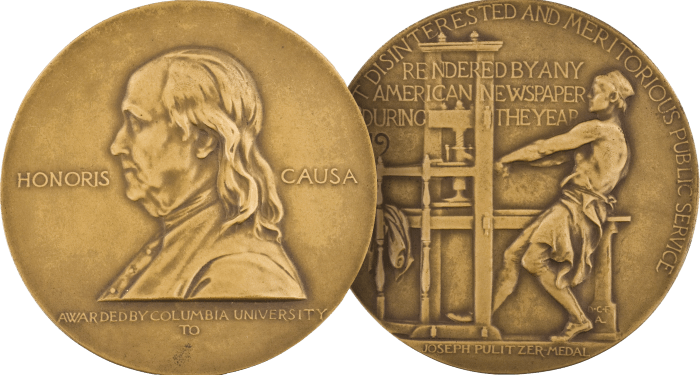
[SNIPPETS] This Year’s Literary Pulitzers Were Meaningfully Diverse

For a lot of reasons, I’m finding it very hard to care about certain things this year. Literary prizes, media awards ceremonies, and celebrity gossip have all lost their luster, and I didn’t often enjoy the shine on them to begin with. So I haven’t paid much attention to this year’s Pulitzers or any of the other major prizes, really. However, the same Lithub article popped up three consecutive times in my Facebook newsfeed, so I finally took a look. Lo and behold, there are a few notable things about this year’s literary Pulitzer luminaries that I can’t help but point out.

I’m not going to give in-depth descriptions of each book and writer–you can check out the Pulitzer site for that. This is just a quick rundown of what I instantly noticed about the winners’ list.

The Pulitzers Are Rooting For (Almost) Everybody Black

Eboni Booth’s drama Pulitzer win this year makes her the 4th Black woman to receive it in the past ten years. I haven’t read the winning drama Primary Heart, but by all accounts, it’s a thoughtful, emotional drama about kindness and community.

Interestingly, out of the last ten drama Pulitzer recipients, 6 are Black, 6 are women, and all of the recipients but one are people of color and/or recent immigrants to the US.

Black Boston Hits The Spotlight

The history prize went to No Right To An Honest Living a book about the history of Black workers in Boston. I am Black. I live in Boston. Guess I need to add that to the #tbr.

I don’t love my current home, but Black culture here is very unique and I’m hoping that this, along with American Fiction (and its source material, the novel Erasure) brings it all a little more into the cultural spotlight.

Black Lives, Black Matters

Both biography winners are works about Black Americans, but one– Master, Slave, Husband, Wife–is by Ilyon Woo, a Korean-American scholar. I’ve noticed a lot more scholarship on Black American culture and history by people who are neither white nor Black and I have to say, I’m a bit intrigued as to what these different cultural lenses will reveal. I think it’s also worth mentioning that the other winner, a biography of Martin Luther King, Jr., was written by a Jewish scholar.

Multicultural Poets Get To Be Their #OwnNormal

The poetry prize winner, Brandon Som, is Chinese-Mexican and his poetry is about his multicultirality. We love to see it.

Interestingly enough, the book he won for, Tripas, was a National Book Award Finalist in 2023 and didn’t win. He did do a lovely reading from it at the ceremony, though, which you can see below.

Well Done, Pulitzers!

In fact, every literary prize this year except Fiction reflects the experiences of minority and marginalized people in some way. It’s strange and wonderful to see my America, and the generally multicultural, multifaith, interconnected understanding of the world reflected in something of this prestige. Well done, Pulitzers!

(Beautiful people! This was initially meant to be a Facebook post, but Zuckerberg kept yanking it down (yes him personally) so I brought it over here to preserve for posterity. Thanks for reading, check out the Equal Opportunity Bookshop, and know that anything you buy from a link here will result in a commission being paid to the site owner. Now, go read something good! Peace!)

[REVIEW] The Wildest Ride, by Marcella Bell

(Rope a copy of this book for yourself here.)

This rodeo romance is pure wish-fulfillment fantasy. Lil Sorrow(that’s her real name) is a former teen rodeo champ sidelined for years by sexism and family obligation. AJ Garza is a bull riding circuit superstar trying to take home one last prize pot before retiring to focus on his non-profit work. When they both qualify for a traveling rodeo reality show, they hit the road, competing to save what each thinks matters most–only to find out it’s each other.

Naturally, they’re both the best at everything they do, incredibly attractive to everyone they meet, and hopelessly devoted to each other by page 50. In a departure from the usual enemies-to-lovers setup, Lil and AJ are at most friendly rivals. This is one of the most amicable romances I think I’ve ever read–the main couple seem to just genuinely like each other. Romance is often cozy by definition, but this is extra cozy. I’m sure there are a half-dozen cut scenes of these two cleaning house, fluffing pillows, and sipping tea somewhere.

This may be because they’re both too busy forging their #ownnormal place in the world as biracial Black people to fight each other. Lil is Black and Mvskoke Creek Freedman. (So is the author.) AJ is Black and Mexican. But again, this is cozy, so the conflict isn’t internal. Instead, it comes from annoying two-dimensional outsiders. The main couple are very fleshed out, and both seem pretty settled in who they are (there are a lot of cute cultural scenes showing this, including a great underground warehouse party) and they pretty quickly form a Voltron of Us to defend against racism, sexism, and silly questions.

That said, I quickly realized why cowboy romances aren’t my thing. Simply put, I imagine smells. Who in their right mind rides on horseback for hours, gets dragged through prairie dirt, ends the day a bit bruised and bloody miles away from the nearest shower, change of clothes, or non-bean-based meal, and then suddenly decides to lose their virginity under the stars with an equally horsey, sweaty, banged-up bean-eating dude?

Ain’t nobody that fine.

The spice was a little too pungent for me in this book and while culture and the main couple are well done, the other characters and some of the plot points got short shrift. Still, I loved reading about Afro-Indigenous and Blaxican cowboys written by a Mvskoke Freedman author, and a lot of the rodeo scenes are genuinely thrilling.

A BATH and a prize bull to The Wildest Ride.

(Beautiful people! I write this to you from the valley of overwork, overshadowed by the gloom of annoying people with the pointy rocks of my own dumb decisions poking me at every step of this week. Naturally, that means I’m reading lots of romance novels to help myself feel better. To see some of the ones on my nightstand, check out this blog post or just jump straight to the booklist at the Equal Opportunity Bookshop. Be aware that we have an affiliate relationship with the ol’ Shop of Books, and if you buy something there from a link you find here, a couple of those coins find their way into my pocket. From there, they pretty much go to WordPress and the nearest local bookshop so…you’re supporting neighborhood economies! While you do it, make sure you read something good! Peace!)

[REVIEW] The Truth of the Aleke, by Moses Ose Utomi

(Buy this book here.)

Somehow, this sequel to my favorite fantasy book of 2023 manages to be both entirely the same and completely different from its predecessor.

Once again, a beautifully written story set in a Nigeria-inspired fantasy world revolves around a boy hero, although this time around instead of sweet teachable Tutu we have Osi–slightly older, much bitterer, driven by military ambition and the desire to make things right. Once again tragedy leads to a quest in the desert accompanied by companions three, a season of learning and maturing, sudden sad battles, mysterious old men in the desert, and shocking revelations. Once again, our hero’s bravery changes the world.

The only thing is, this book takes place 500 years after the first book, and Osi belongs to Tutu’s enemy nation. Remember them? The monsters who cut out peoples’ tongues until we found out that actually, they didn’t? That war has only worsened over the centuries and in fact, our heroes from the first book were actually merciless, vengeful villains.

Or were they?

You’ll have to read the book to find out.

When I finished Ajungo, I felt wonder and hope. When I finished Aleke, I felt…a little sick. This isn’t a bad thing, though. Taken together, these two books show both sides of the optimistic coin that change is bought with. It can feel awful to be right. It can feel wonderful to be wrong. And it can be confusing and upsetting to figure out which is which, really.

To put it another way–I read the first 5 pages of Ajungo and rationed out the rest of the book, not wanting it to end. I read the first 5 pages of Aleke and speed-ran through the rest in an evening because I HAD TO SEE HOW IT ENDED. This book is a perfect companion to the first, but a completely different reading experience.

Mr Utomi, when’s the next book coming? I can’t wait to see where this goes.

Good dental care(read the book!) and a very tentative hope for The Truth of the Aleke.

(Also, go read @edileereads‘ review of this book, too!)

(Fellow readers! 2024 has not been a year of magical reading for me so far, but I have read a few things that will stick with me, including this book. For more like it, take a look at the Equal Opportunity Bookshop, but please know that anything you buy there or from any link on this page means that we get paid a small commission. Hope you’re enjoying spring(or fall, for the handful of Australians who visit) and that you’re reading something good. Peace!)

[Review] Snowglobe, by Soyoung Park, translated by Joungmin Lee Comfort

(Buy this book here.)

This was…cute.

That’s not really what I was expecting when I cracked open this Korean YA novel that’s been billed, somewhat stereotypically, as The Hunger Games meet Squid Game. Really, it’s more like Snowpiercer meets Mean Girls meets The Parent Trap. Korean teen Chobahm lives in one of many tiny villages dotted around a future Earth deep in the throes of an ice age with her twin brother, mother, and senile grandmother. All of them, and most of the survivors of the freeze, work hard running in human hamster wheels that collectively bank enough energy to provide heat for greenhouses, light for tiny homes…and power for the TVs that broadcast Snowglobe.

Snowglobe is the only safe, warm place left on the planet, a thermally heated dome where the inhabitants are given every creature comfort imaginable in exchange for having their opulent, dramatic lives broadcast 24/7 to the frozen masses outside in a constant reality show loop. Chobahm dreams of becoming a storyline director, and when she’s asked to stand in for an actress she resembles, she finally sees her way in. But Snowglobe is not what it seems, and Chobahm is faced with the choice to reveal the shocking truth or lay back in the lap of luxury.

Sound familiar? It should. This is basically a mashup of every teen dystopia, school drama, and performing arts school movie ever, with a few details from adult ones thrown in for good measure. It’s all told in a way that’s much more light and frothy than suspenseful and exciting, to be honest, and there are a LOT of gaping plot holes and things that don’t make a lot of sense when you think about them for more than five minutes. This annoyed me until I realized that Snowglobe is a rarity–a YA novel that is actually written for young teens and pre-teens rather than horny grown women. If I was 12, I’d have sucked this down in one sitting after school, gasped at all the right places, enjoyed the obligatory romance, and ignored the gaping plot holes long enough to pre-order the sequel.

But I’m middle-aged, so I was mostly just like ‘meh’ until I realized this book wasn’t written for me, got over it, and started thinking of a young person I can gift a copy of this to. It would make a cute Disney drama. I can’t be mad at that.

One salty note remains though; I read this in English and while I haven’t seen a copy of the Korean text yet I have my suspicions that this translation isn’t that great. It does the job, but there are a few ‘huh?’ moments where the vocabulary suddenly feels mismatched or somebody’s grandma starts speaking in slang for no reason.

Down parkas and truth bombs to Snowglobe.

(Beautiful people! Sometimes a book is #notmygenre, sometimes it’s just #notmybook, but that doesn’t mean it isn’t good! If this sounded interesting to you, don’t let my ambivalence stop you–find it, and many others like it, in the Equal Opportunity Bookshop. Full disclosure–if you buy anything at that link, or any other link you find on this page, we get paid a commission that goes towards furthering bookish diversity. By ‘we’, I mean me, and by ‘furthering bookish diversity’, I mean buying more books to read and paying for this site so I can review into the void that is the post-content-creator internet. Cynicism aside, I appreciate you being here and reading this! Go read something good today, and peace!)

[REVIEW] Man, F*ck This House, by Brian Asman

(Buy this book here.)

Let me pause for a second while you all finish giggling the way I did when I first saw this title.

Okay, done? Giggles out of your system? Then here are the basics: this is a very self-aware indie horror novella that plays with a lot of classic tropes, mainly the creepy haunted house. Other tropes take the form of familiar horror story faces, including the doomed cop, ditzy spiritual old lady neighbor, and clueless family complete with creepy possessed youngest child, overwhelmed stay-at-home mom, clueless dad, and snotty teenaged daughter.

I really expected to laugh out loud all through this, but the truth is, I barely smiled. This is because instead of leaning into the humor, this book is actually a little scary and plenty gory. I hate to talk about a book in terms of my expectations–I prefer to just let writing be whatever it is and try to leave my assumptions out of it–but I really did think this was going to be mostly a parody of a haunted house story with a little horror sprinkled on. Instead, it’s mostly the opposite.

Add to that the fact that horror is mostly Not My Genre unless there’s a strong cultural component and this book was just okay for me. I could see someone very into horror movies really liking this, but mostly I just wanted the characters to stop bleeding on things and make me laugh. The setup was great and the final monster genuinely surprising, but I wish the whole book had the same tone as its title.

A gift card to Home Depot to Man, F*ck This House.