
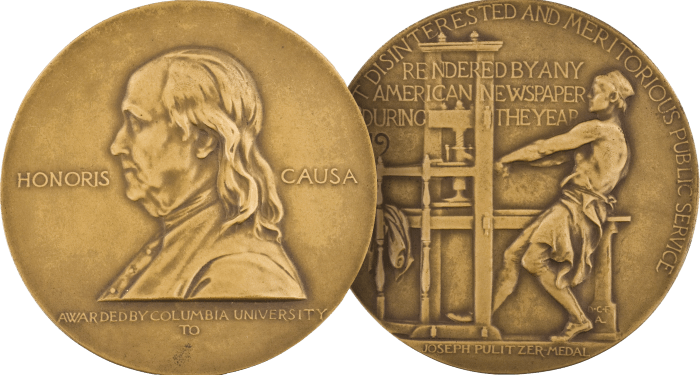
For a lot of reasons, I’m finding it very hard to care about certain things this year. Literary prizes, media awards ceremonies, and celebrity gossip have all lost their luster, and I didn’t often enjoy the shine on them to begin with. So I haven’t paid much attention to this year’s Pulitzers or any of the other major prizes, really. However, the same Lithub article popped up three consecutive times in my Facebook newsfeed, so I finally took a look. Lo and behold, there are a few notable things about this year’s literary Pulitzer luminaries that I can’t help but point out.
I’m not going to give in-depth descriptions of each book and writer–you can check out the Pulitzer site for that. This is just a quick rundown of what I instantly noticed about the winners’ list.
The Pulitzers Are Rooting For (Almost) Everybody Black
Eboni Booth’s drama Pulitzer win this year makes her the 4th Black woman to receive it in the past ten years. I haven’t read the winning drama Primary Heart, but by all accounts, it’s a thoughtful, emotional drama about kindness and community.
Interestingly, out of the last ten drama Pulitzer recipients, 6 are Black, 6 are women, and all of the recipients but one are people of color and/or recent immigrants to the US.
Black Boston Hits The Spotlight
The history prize went to No Right To An Honest Living a book about the history of Black workers in Boston. I am Black. I live in Boston. Guess I need to add that to the #tbr.
I don’t love my current home, but Black culture here is very unique and I’m hoping that this, along with American Fiction (and its source material, the novel Erasure) brings it all a little more into the cultural spotlight.
Black Lives, Black Matters
Both biography winners are works about Black Americans, but one– Master, Slave, Husband, Wife–is by Ilyon Woo, a Korean-American scholar. I’ve noticed a lot more scholarship on Black American culture and history by people who are neither white nor Black and I have to say, I’m a bit intrigued as to what these different cultural lenses will reveal. I think it’s also worth mentioning that the other winner, a biography of Martin Luther King, Jr., was written by a Jewish scholar.
Multicultural Poets Get To Be Their #OwnNormal
The poetry prize winner, Brandon Som, is Chinese-Mexican and his poetry is about his multicultirality. We love to see it.
Interestingly enough, the book he won for, Tripas, was a National Book Award Finalist in 2023 and didn’t win. He did do a lovely reading from it at the ceremony, though, which you can see below.
Well Done, Pulitzers!
In fact, every literary prize this year except Fiction reflects the experiences of minority and marginalized people in some way. It’s strange and wonderful to see my America, and the generally multicultural, multifaith, interconnected understanding of the world reflected in something of this prestige. Well done, Pulitzers!
(Beautiful people! This was initially meant to be a Facebook post, but Zuckerberg kept yanking it down (yes him personally) so I brought it over here to preserve for posterity. Thanks for reading, check out the Equal Opportunity Bookshop, and know that anything you buy from a link here will result in a commission being paid to the site owner. Now, go read something good! Peace!)
 Equal Opportunity Reader